
Acrylic centerpieces are rapidly gaining popularity, offering a versatile and striking alternative to traditional materials. Their sleek, modern aesthetic complements a wide range of design styles, from minimalist to rustic, making them adaptable for everything from intimate gatherings to grand celebrations. Beyond their visual appeal, acrylic’s durability and affordability make them an attractive choice for both DIY enthusiasts and professional event planners.
This comprehensive guide delves into the world of acrylic centerpieces, exploring design inspiration, crafting techniques, arrangement strategies, material considerations, and even maintenance tips. We’ll dissect the different types of acrylics, compare them to glass, and uncover the factors influencing cost and sustainability.
Introduction to Acrylic Centerpieces
Acrylic centerpieces are increasingly popular decorative elements in various settings, offering a modern, versatile alternative to traditional materials like glass or ceramic. Their lightweight nature, coupled with a wide range of customizable options, makes them adaptable for diverse aesthetic preferences and event needs. Their clarity and resilience contribute to their growing appeal.Acrylic, a transparent thermoplastic polymer, provides exceptional flexibility in design, allowing for intricate shapes, textures, and finishes that enhance the overall ambiance of a space.
The material’s versatility translates into an array of creative applications, from simple, understated elegance to elaborate, eye-catching displays.
Acrylic Materials
Different types of acrylic materials contribute to the diverse range of centerpieces available. Polymethyl methacrylate (PMMA), the most common type, is known for its clarity, durability, and resistance to scratches and impacts. Variations in the material’s composition, processing, and additives can influence its transparency, color, and texture, leading to distinct aesthetic qualities. Other types include reinforced acrylic, which provides additional strength and rigidity, ideal for larger or more complex designs.
Shapes and Sizes
Acrylic centerpieces come in an extensive array of shapes and sizes. From simple geometric forms like cubes, spheres, and cylinders to elaborate sculpted pieces, the possibilities are virtually limitless. Their dimensions can range from miniature accents to large-scale statement pieces, enabling designers to adapt the pieces to fit various spaces and settings. Custom designs are also prevalent, allowing for tailored pieces that reflect specific themes or preferences.
Common Uses
Acrylic centerpieces are widely used in a multitude of settings. In homes, they serve as elegant table decorations, complementing dining experiences and adding a touch of modern sophistication. They are also prevalent in commercial spaces like restaurants and hotels, where they contribute to a sophisticated and inviting atmosphere. Events like weddings, corporate gatherings, and parties leverage acrylic centerpieces to enhance the visual appeal and create memorable experiences.
Advantages of Acrylic over Other Materials
Acrylic centerpieces offer several advantages over alternative materials. Their lightweight nature facilitates easy transportation and handling, eliminating the risk of breakage associated with heavier materials like glass or ceramic. The material’s clarity enhances the display of incorporated elements, while its customizable nature allows for a high degree of personalization. Moreover, acrylic’s affordability often makes it a cost-effective choice compared to certain premium materials.
Comparison with Glass Centerpieces
| Feature | Acrylic Centerpieces | Glass Centerpieces | Notes |
|---|---|---|---|
| Durability | Generally high, resistant to scratches and impacts, but can be susceptible to extreme temperatures. | High durability, but prone to shattering. | Acrylic’s strength often outweighs glass’s fragility. |
| Cost | Typically more affordable than high-quality glass. | Cost varies significantly depending on the type and craftsmanship. | Cost difference can be significant, favoring acrylic in many cases. |
| Aesthetic Appeal | Modern, versatile, and can be customized with various finishes. | Elegant and classic, offering a wide range of styles. | Acrylic offers flexibility in design and aesthetics. |
| Maintenance | Easy to clean and maintain. | Requires careful cleaning to avoid scratching. | Acrylic is simpler to care for. |
Design Inspiration for Acrylic Centerpieces
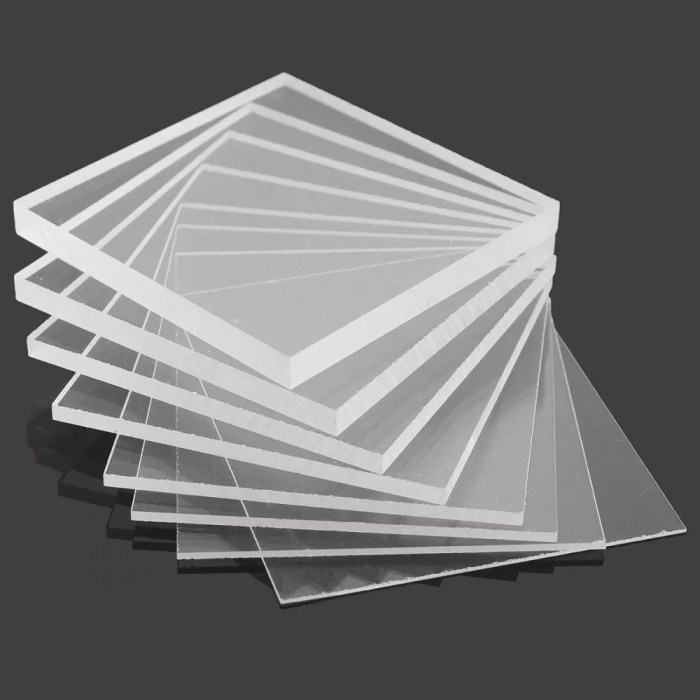
Acrylic centerpieces offer a versatile canvas for expressing unique design aesthetics. Their transparency and smooth surface allow for a wide array of stylistic choices, from minimalist elegance to rustic charm. This adaptability makes them highly desirable for a variety of events and home décor settings.Acrylic centerpieces provide a blank slate for creativity, allowing designers to explore diverse color palettes, textures, and lighting techniques.
Their lightweight nature also makes them easy to move and position, ensuring they seamlessly integrate into any environment.
Modern Design Inspiration
Modern acrylic centerpieces often feature clean lines, geometric shapes, and minimalist forms. Color palettes typically lean towards neutral tones like white, black, and gray, with pops of vibrant accent colors like deep blues, rich greens, or bold oranges. Incorporating metallic accents like gold or silver adds a touch of sophistication. The sleek, unadorned aesthetic of modern design often involves minimal or no embellishments, allowing the inherent beauty of the acrylic to shine through.
Examples include using simple, geometric shapes, like cubes or pyramids, and a single, focused lighting source to create a striking visual effect.
Rustic Design Inspiration
Rustic acrylic centerpieces embrace a warm and inviting aesthetic. Color palettes often feature earthy tones like beige, brown, and cream, with hints of natural elements like wood or stone. Incorporating natural textures like burlap or distressed wood elements creates a sense of warmth and connection to nature. Lighting techniques might involve warm, diffused lighting to accentuate the natural tones.
For example, a rustic centerpiece might feature a distressed wooden base with a clear acrylic cylinder holding dried flowers and twigs, illuminated by a soft, warm-toned LED strip.
Minimalist Design Inspiration
Minimalist acrylic centerpieces emphasize simplicity and elegance. Color palettes are often monochromatic or use a limited range of complementary colors. Geometric shapes and clean lines are key elements. Incorporating natural elements like a single stem of greenery can provide a touch of organic life without overpowering the minimalist aesthetic. The focus is on the pure form and clarity of the acrylic itself.
Examples include a clear acrylic sphere holding a single, polished stone, or a rectangular acrylic block with a subtle LED light illuminating it from within.
Color Palette Inspiration
The choice of color palette significantly impacts the overall feel of an acrylic centerpiece. Neutral palettes, such as white, gray, and black, create a sophisticated and contemporary ambiance. Earthy tones like beige and brown offer a warm and welcoming atmosphere. Vibrant colors like deep blues, rich reds, or bold oranges can add a pop of energy and excitement.
Matching the color palette to the surrounding décor and the occasion is crucial for creating a cohesive and visually appealing presentation.
Texture Inspiration
Textures can add depth and visual interest to acrylic centerpieces. Adding metallic accents, such as gold or silver leaf, creates a sophisticated shimmer. Using distressed wood or burlap can evoke a rustic charm. Incorporating textured materials like sand, seashells, or dried flowers can create unique and personalized pieces. Different textures can be layered to achieve intricate and detailed patterns.
Lighting Techniques
Incorporating lighting techniques can dramatically enhance the visual appeal of acrylic centerpieces. LED strip lights, strategically placed within the acrylic, create a soft, ambient glow. Using LED candles or other small, focused lights can draw attention to specific details. Colored LED lights can add a touch of vibrancy and playfulness. Experimenting with different light intensities and colors can achieve various moods and atmospheres.
Design Elements for Different Occasions
| Occasion | Color | Shape | Size |
|---|---|---|---|
| Weddings | Soft pastels, ivory, gold | Round, oval, heart | Medium to large |
| Parties | Vibrant colors, metallics | Geometric, abstract | Small to medium |
| Home Décor | Neutral tones, natural elements | Simple, elegant | Small to large |
Popular Trends
Popular trends in acrylic centerpiece design include the use of transparent acrylic with embedded LED lights, creating an ethereal glow. Another trend is incorporating natural elements like flowers, greenery, and crystals within the acrylic structures. Customized acrylic pieces with personalized engravings or designs are also gaining popularity. These trends showcase the versatility and creativity possible with acrylic centerpieces.
Crafting and Building Acrylic Centerpieces
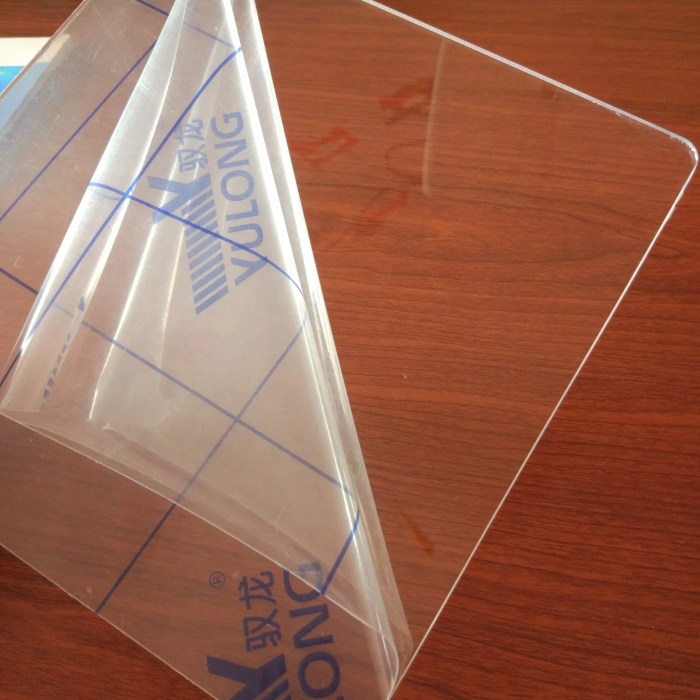
Acrylic centerpieces, with their sleek aesthetic and customizable nature, offer a versatile way to elevate any space. From elegant, minimalist designs to vibrant, artistic statements, the possibilities are vast. Mastering the crafting techniques unlocks a world of creative expression, allowing you to transform simple acrylic sheets into captivating focal points.Crafting these pieces involves a blend of precision and creativity, drawing on various techniques to achieve the desired effect.
Understanding the materials, tools, and methods is key to successful projects, whether you’re creating a simple geometric form or a complex, multi-layered piece. Thorough preparation and meticulous execution are crucial for achieving a polished, professional-looking outcome.
Methods for Crafting Acrylic Centerpieces
Different methods for crafting acrylic centerpieces cater to various design visions and skill levels. Molding offers a quick and straightforward route to creating uniform shapes, while cutting and drilling techniques allow for more intricate designs. Each method has its advantages and limitations, and the best choice depends on the desired aesthetic and complexity.
Cutting Acrylic
Precise cutting is essential for achieving clean lines and sharp angles in acrylic centerpieces. Using a craft knife, a specialized acrylic cutter, or a laser cutter, each method provides a different level of control and precision. A craft knife, though requiring more skill, allows for intricate details. A specialized acrylic cutter, with its predefined blades, facilitates uniform cuts and minimizes errors.
A laser cutter provides the most precise control for complex designs, but it requires specialized equipment. For smaller projects, the craft knife or acrylic cutter may suffice.
Drilling Acrylic
Drilling holes in acrylic allows for the incorporation of accents, the installation of lighting, or the creation of unique patterns. The key to successful drilling is selecting the correct drill bit size and using a steady hand to avoid cracking or chipping the acrylic. Begin with smaller drill bits for practice and gradually increase the size for larger projects.
A drill press provides the most stable and controlled drilling experience, while a hand drill may be suitable for smaller projects. Always use appropriate safety measures, such as eye protection and a stable work surface.
Incorporating Elements into Acrylic Centerpieces
Adding elements such as beads, crystals, or other embellishments enhances the visual appeal of acrylic centerpieces. These additions can be glued, embedded, or attached using various methods. Consider the size, shape, and color of the embellishments in relation to the overall design to ensure a harmonious aesthetic. The choice of embellishments should reflect the intended theme and mood of the centerpiece.
Consider the placement and spacing of embellishments to avoid an overly cluttered or unbalanced design.
Tools and Materials for Acrylic Centerpiece Construction
The following table Artikels common tools and their purposes in acrylic centerpiece creation.
| Tool | Purpose | Example | Description |
|---|---|---|---|
| Acrylic Cutter | Precisely cuts acrylic sheets | Various blade types | Provides clean lines and accurate shapes. |
| Drill | Creates holes in acrylic | Hand drill, drill press | Essential for adding accents or lighting. |
| Craft Knife | Precise cutting for intricate details | Sharp blade | Allows for fine details and designs. |
| Glue Gun | Bonds embellishments to acrylic | Hot glue | Secures decorative elements. |
Creating a DIY Geometric Acrylic Centerpiece
This section Artikels steps to create a geometric acrylic centerpiece.
- Preparation: Choose a geometric shape, like a hexagon or triangle, and calculate the required dimensions of the acrylic sheet. Select appropriate tools (cutter, drill, etc.) and embellishments.
- Cutting: Using an acrylic cutter, carefully cut the acrylic sheet according to the chosen design. Ensure precise measurements for the desired shape.
- Drilling: Drill small holes along the edges or corners of the geometric shape. Consider the placement and spacing of the holes to create a visually appealing pattern.
- Embellishments: Add decorative elements, such as beads or crystals, to the drilled holes. Glue the embellishments in place with a hot glue gun.
- Finishing: Allow the glue to dry completely. Inspect for any imperfections and make adjustments as needed.
Acrylic Centerpiece Arrangements
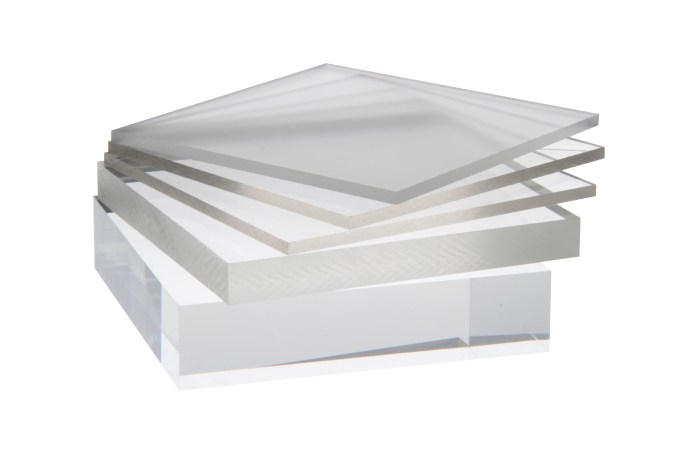
Acrylic centerpieces, with their sleek modern aesthetic, offer a versatile canvas for crafting captivating arrangements. Their transparent nature allows for interplay with other decorative elements, transforming them into focal points that elevate any gathering. Careful consideration of complementary colors, textures, and shapes is key to achieving a harmonious and visually appealing display.The success of an acrylic centerpiece arrangement hinges on thoughtful integration with other decorative elements.
The translucent quality of acrylic allows light to pass through, creating an ethereal effect when combined with candles, crystals, or other reflective objects. This interplay of light and shadow adds depth and dimension to the overall design. Careful selection of colors and textures will enhance the aesthetic appeal and the focal point of the centerpiece.
Floral Arrangements with Acrylic Centerpieces
Floral arrangements are a classic choice for centerpieces. Acrylic pieces can serve as elegant pedestals for floral arrangements, allowing the blooms to take center stage. The interplay of the translucent acrylic with the vibrant colors of flowers creates a dynamic visual contrast. Using varying heights and textures of flowers adds depth and interest.
- Combining roses, lilies, and orchids with a clear acrylic cylinder vase can showcase the natural beauty of the flowers, while the acrylic adds a sophisticated touch. The transparency of the acrylic vase allows the stems of the flowers to be seen, adding to the organic aesthetic. Alternatively, using smaller acrylic cubes as a base for a bouquet of varied wildflowers creates a contemporary yet natural ambiance.
- For a more modern approach, consider using a collection of acrylic cubes of varying sizes, creating a cascading effect. Place different types of flowers and greenery in the cubes, strategically positioning them to enhance the overall design. This offers a unique way to display floral arrangements in a stylish and modern manner. Consider using smaller succulents, herbs, or ferns to add texture and visual interest.
Integrating Candles, Crystals, and Other Decorative Objects
Candles, crystals, and other decorative objects can significantly enhance the visual appeal of acrylic centerpieces. Candles provide a warm and inviting glow, while crystals add a touch of sparkle and elegance. The interplay of light and shadow between these elements and the acrylic base creates a mesmerizing display.
- A grouping of votive candles within a clear acrylic bowl creates a warm and inviting ambiance. The soft glow of the candles reflects off the acrylic, creating a subtle play of light and shadow. Add a cluster of small, colorful crystals to the bowl for an extra touch of sparkle.
- Using a clear acrylic cube or rectangular prism as a base, place a single, elegant candle in the center. Surround the candle with a scattering of crystals in various shapes and sizes, adding a touch of glamour. This creates a sophisticated and refined display, perfect for a formal event.
Incorporating Greenery and Foliage
Greenery and foliage play a crucial role in adding depth, texture, and visual interest to acrylic centerpiece arrangements. The contrast between the smooth, modern acrylic and the organic texture of greenery creates a captivating visual effect. The selection of greenery should complement the overall design and color palette.
- A simple arrangement of ferns or eucalyptus sprigs placed within a clear acrylic vase or cube adds a touch of nature to the centerpiece. The delicate leaves of the ferns contrast beautifully with the clean lines of the acrylic, creating a visually appealing display. This is a good option for smaller spaces.
- Using a variety of greenery, such as ivy, eucalyptus, and sprigs of pine, in an acrylic display will create a rich and layered arrangement. Consider varying the heights and textures of the foliage to add dimension to the centerpiece. This is suitable for a more expansive space.
Designing a Floral Arrangement Example
This example utilizes acrylic pieces for a sophisticated and contemporary floral arrangement. The arrangement uses varying heights and textures to create depth.
- Acrylic Base: Use a clear acrylic rectangular prism as the base.
- Floral Elements: Incorporate a mix of roses, lilies, and orchids in varying shades of pink and white. Include greenery like eucalyptus sprigs and ferns to add texture.
- Candles and Crystals: Place a few tea light candles within a clear acrylic bowl, positioned in the center of the base. Scatter small, faceted crystals around the candles and the floral elements.
Displaying Acrylic Centerpieces
The best display method depends on the specific space and room type. Consider the overall aesthetic and the size of the room when selecting acrylic centerpieces and arrangements.
- Dining Room: For a formal dining room, larger acrylic pieces with elaborate floral arrangements or candle displays will be ideal. A centerpiece that creates a focal point and complements the dining table’s overall style is important.
- Living Room: A living room arrangement should be more versatile and less formal. Smaller, more delicate arrangements in acrylic cubes or vases with varying heights will create a visually appealing display.
The arrangement should be in proportion to the room’s size and layout.
Acrylic Centerpiece Materials and Suppliers
Acrylic centerpieces, a popular choice for events and home décor, offer a versatile canvas for creativity. The selection of appropriate acrylic materials is crucial for achieving the desired aesthetic and ensuring the longevity of the piece. Choosing the right supplier is equally important, impacting both the quality and cost-effectiveness of the project.Selecting the right acrylic material is essential to the success of a centerpiece.
The properties of the acrylic directly influence its appearance, durability, and cost. Understanding these factors will guide the selection process and allow for informed decisions.
Types of Acrylic Materials
Acrylic materials come in various forms, each with unique characteristics. Polymethyl methacrylate (PMMA), commonly known as acrylic, is a transparent thermoplastic. Different grades and thicknesses of acrylic sheets offer distinct properties and price points. Cast acrylic, known for its superior clarity and smoothness, is frequently used for high-end pieces. Extruded acrylic, while slightly less expensive, is often suitable for simpler designs.
Colored acrylics allow for vibrant accents and thematic cohesion. Consider the intended design and budget when making your choice.
Sourcing Acrylic Materials and Supplies
The process of sourcing acrylic materials involves identifying reputable suppliers and comparing their offerings. Online retailers often provide a wide selection of acrylic sheets, rods, and other components. Local craft stores may offer more personalized service, but may have a more limited selection. Consider factors like the quantity needed, desired quality, and delivery timelines when evaluating potential suppliers.
Reputable Suppliers
Numerous suppliers provide acrylic materials. Some reputable suppliers include [Supplier A], known for its high-quality cast acrylic sheets, and [Supplier B], offering a diverse range of extruded acrylic options. Online marketplaces like [Market Place X] and [Market Place Y] offer a range of suppliers, facilitating price comparisons and reviews. Research and compare suppliers based on reputation, product quality, and pricing before making a commitment.
Selecting Acrylic Materials
Choosing the right acrylic material depends on the intended design and budget. For a delicate, highly detailed centerpiece, cast acrylic with exceptional clarity might be preferable. If budget constraints are a concern, extruded acrylic could be a suitable alternative. The thickness of the acrylic sheet also plays a crucial role, impacting the piece’s strength and visual appeal.
Factors like color, opacity, and texture further influence the final design.
Cost-Effectiveness of Acrylic Materials
The cost-effectiveness of different acrylic materials varies significantly. Extruded acrylic, due to its production method, is typically more affordable than cast acrylic. However, the superior clarity and durability of cast acrylic often justify the higher price point for high-end projects. Consider the quantity required and the overall design when evaluating the cost-effectiveness of each material.
Comparative Pricing of Acrylic Materials
The table below provides a comparison of pricing from different suppliers. Note that prices are approximate and may vary based on quantity, thickness, and specific requirements.
| Supplier | Cast Acrylic (per sheet) | Extruded Acrylic (per sheet) | Colored Acrylic (per sheet) |
|---|---|---|---|
| Supplier A | $25-50 | $15-30 | $20-40 |
| Supplier B | $30-60 | $10-25 | $18-35 |
| Supplier C | $20-45 | $12-28 | $15-30 |
Maintenance and Care of Acrylic Centerpieces
Acrylic centerpieces, prized for their elegant transparency and versatility, require meticulous care to maintain their pristine condition and longevity. Proper cleaning and storage techniques are essential to prevent scratches, discoloration, and other forms of damage, ensuring these decorative pieces remain beautiful for years to come. Ignoring these practices can lead to premature deterioration and a loss of their aesthetic appeal.
Cleaning and Polishing Techniques
Maintaining the brilliance of acrylic centerpieces involves gentle cleaning and polishing methods. Harsh chemicals or abrasive materials should be avoided, as they can easily scratch or damage the surface. Instead, opt for mild detergents and soft cloths to prevent scratches and maintain the piece’s integrity. For stubborn stains, a solution of warm water and a mild dish soap can be effective.
Always test any cleaning solution on an inconspicuous area first to ensure it doesn’t affect the color or finish of the acrylic. After cleaning, dry the piece thoroughly with a soft, lint-free cloth to avoid water spots.
Preventing Damage and Scratches
Protecting acrylic centerpieces from damage and scratches is crucial for preserving their pristine condition. When handling acrylic centerpieces, use soft, clean gloves to prevent fingerprints and oils from transferring to the surface. Avoid placing the pieces on rough or uneven surfaces that could potentially cause scratches. When moving or transporting the pieces, use appropriate cushioning materials to prevent them from bumping against each other or other objects.
Carefully place the pieces on a soft surface during handling and avoid excessive force or pressure. Store the pieces in a well-ventilated area to prevent any build-up of moisture or dust.
Storage for Long-Term Preservation
Proper storage is paramount for preserving the beauty and integrity of acrylic centerpieces over extended periods. Store the pieces in a dry, dust-free environment, away from direct sunlight or heat sources. Use protective packaging, such as soft cloth or tissue paper, to cushion the pieces and prevent them from rubbing against each other. Storing them in individual boxes or containers will provide additional protection.
Avoid placing them in areas prone to temperature fluctuations or extreme humidity.
Restoring Damaged Acrylic Centerpieces
In the event of damage, restoring an acrylic centerpiece can often be achieved through meticulous care. Minor scratches can sometimes be minimized using a fine-grit polishing compound and a soft cloth. For more substantial damage, professional restoration services may be necessary. Before attempting any restoration, consult with a professional to determine the extent of the damage and the most suitable approach.
Careful attention to detail is essential to maintain the piece’s original aesthetic appeal. Never attempt to use harsh abrasives, as this may worsen the damage.
Suitable Cleaning Products
The following table Artikels cleaning products suitable for acrylic centerpieces, categorized by type and their respective application guidelines.
| Product Type | Product Name | Application Method | Notes |
|---|---|---|---|
| Mild Detergents | Dish Soap (mild) | Dilute in warm water, gently wipe the surface | Avoid harsh detergents or abrasive cleaners. |
| Cleaning Solutions | Isopropyl Alcohol (70% or less) | Apply a small amount to a soft cloth, gently wipe the surface | Test on an inconspicuous area first. |
| Polishing Compounds | Fine-grit polishing compound | Apply a small amount to a soft cloth, gently polish the surface in a circular motion | Use sparingly and with caution. |
| Protective Agents | Acrylic protectant spray | Spray onto a soft cloth and apply to the surface in a thin layer. | Follow manufacturer instructions carefully. |
Acrylic Centerpiece Cost Considerations
Acrylic centerpieces, while visually striking, come with a range of cost considerations that vary based on materials, design complexity, and labor. Understanding these factors is crucial for crafting a budget-conscious yet elegant centerpiece. From basic designs to elaborate custom creations, the costs can fluctuate significantly.
Factors Influencing Acrylic Centerpiece Costs
The cost of acrylic centerpieces is influenced by several key factors. Material selection, design complexity, and labor costs are the primary drivers. The quality and type of acrylic, intricate design details, and the time needed for crafting all contribute to the overall price. Furthermore, the cost of materials and labor can fluctuate depending on location and market conditions.
Acrylic Material Cost Comparison
Different acrylic materials impact the cost of centerpieces significantly. Standard acrylic sheets are generally more affordable than specialized, high-impact, or translucent options. Thicker acrylic sheets, for example, might be more expensive due to the increased material volume and potential for more intricate cutting or shaping. The choice of acrylic grade will also affect the overall cost, with higher-grade materials often commanding a premium.
Labor Costs in Crafting Acrylic Centerpieces
Labor costs are a substantial factor in the production of acrylic centerpieces. Simple designs require less time and effort, leading to lower labor costs. Conversely, intricate designs, custom engravings, or elaborate arrangements demand a greater investment of time and expertise, consequently increasing the labor cost. The skill level of the craftsperson also plays a role in the final cost.
Budget-Friendly Options for Acrylic Centerpieces
Several budget-friendly options exist for creating attractive acrylic centerpieces. Utilizing readily available acrylic sheets in standard sizes, opting for simpler designs, and creating arrangements with readily available embellishments can significantly reduce costs. Using readily available materials like beads, crystals, or dried flowers can also add visual appeal without breaking the bank.
Additional Costs Associated with Design Elements
Specific design elements can increase the cost of acrylic centerpieces. Custom engraving, intricate cutouts, or the addition of specialized hardware (like custom stands or bases) can significantly impact the final price. The complexity and intricacy of the design, and the need for specialized tools or equipment, are critical determinants of the added cost.
Sample Budget for an Acrylic Centerpiece
The following table provides a sample budget for creating a simple acrylic centerpiece with a minimalist design:
| Item | Description | Quantity | Cost per Unit | Total Cost |
|---|---|---|---|---|
| Acrylic Sheet | Clear, 1/4 inch thick | 1 | $5.00 | $5.00 |
| Cutting/Shaping | Basic geometric design | 1 | $10.00 | $10.00 |
| Hardware (Stand) | Simple metal stand | 1 | $3.00 | $3.00 |
| Finishing | Polishing/Edge Treatment | 1 | $2.00 | $2.00 |
| Total | $20.00 |
This budget is an estimate and may vary based on the specific materials, design, and location.
Acrylic Centerpiece Uses and Occasions
Acrylic centerpieces, with their sleek design and versatile nature, are increasingly popular for a wide array of events. Their adaptability allows for a customizable aesthetic that perfectly complements the ambiance of any occasion, from intimate gatherings to grand celebrations. From weddings to corporate events, the right acrylic centerpiece can elevate the visual appeal and create a lasting impression.Acrylic centerpieces offer a unique blend of sophistication and flexibility, making them suitable for various events.
Their modern aesthetic can transform a simple gathering into a memorable experience, while their durable construction ensures longevity. Choosing the right acrylic centerpiece involves considering the specific event’s theme, color palette, and desired ambiance.
Event Suitability
Acrylic centerpieces are a versatile choice for numerous occasions. Their adaptability allows them to seamlessly integrate into a wide range of settings, from intimate weddings to large-scale corporate events. The design flexibility enables tailoring the centerpieces to complement the specific theme and overall style.
Event Type Examples
- Weddings: Elegant and modern acrylic centerpieces, often featuring delicate floral arrangements or intricate designs, can enhance the romantic ambiance of a wedding reception. Consider using clear acrylic for a light and airy feel or colored acrylic for a bolder statement.
- Parties: Acrylic centerpieces can be creatively adapted for various party themes. For a birthday party, incorporate colorful acrylic pieces with playful designs. A themed party like a masquerade ball could benefit from intricate acrylic designs that evoke the theme.
- Corporate Events: Acrylic centerpieces can add a touch of sophistication to corporate events. Modern designs with minimalist aesthetics or clear acrylic pieces with subtle lighting can create a professional and sophisticated atmosphere. The versatility of acrylic allows for customization to match the corporate brand identity.
- Anniversaries: Acrylic centerpieces can be personalized with engraved messages or special designs, adding a sentimental touch to anniversary celebrations. These can be particularly impactful for milestone anniversaries.
- Holiday Gatherings: Acrylic centerpieces can incorporate festive elements, such as holiday colors and designs. The transparent nature of acrylic allows for creative layering of decorative elements for a visually appealing display.
Choosing the Right Acrylic Centerpiece
The key to selecting the perfect acrylic centerpiece lies in understanding the event’s specific needs. Consider the overall theme, color scheme, and desired atmosphere. A formal event may call for a more refined design, while a casual gathering might benefit from a more playful aesthetic.
Color Coordination and Design
Color coordination is crucial in creating a cohesive aesthetic. Matching the acrylic centerpiece colors to the overall color scheme of the event enhances the visual appeal. Furthermore, the design should complement the event’s theme. For example, a floral-themed wedding may feature acrylic centerpieces with embedded flowers, while a corporate event might utilize clear acrylic pieces with subtle lighting to convey professionalism.
Impact on Ambiance
Acrylic centerpieces, with their transparent or colored nature, can significantly impact the overall ambiance of a space. Clear acrylic pieces allow light to pass through, creating a sense of openness and elegance. Colored acrylics can add a pop of color and vibrancy, setting a particular mood. The design and style of the acrylic centerpiece can greatly influence the emotional response to the space.
Placement Options
| Placement | Description | Event Suitability | Example |
|---|---|---|---|
| Tables | Classic and versatile, acrylic centerpieces can be the focal point of any table setting. | Weddings, parties, corporate events, anniversaries | Clear acrylic cylinder with floating candles and greenery |
| Shelves | Acrylic centerpieces can add a modern touch to shelves, creating a visually appealing display. | Home decor, parties, corporate events | Colored acrylic cube with decorative elements and miniature figurines |
| Mantels | Acrylic centerpieces can be strategically placed on mantels to complement the home’s decor. | Home decor, holiday gatherings | Clear acrylic vase with a miniature holiday scene |
| Windows | Acrylic centerpieces placed near windows can showcase their transparency and elegance. | Weddings, parties, corporate events | Clear acrylic structure with LED lights and flowers |
Acrylic Centerpiece Safety Considerations
Acrylic centerpieces, while visually appealing, require careful handling to mitigate potential hazards. Proper precautions are crucial, especially when crafting or displaying them, to ensure the safety of individuals, children, and pets. Understanding the inherent properties of acrylic and implementing safe practices minimizes risks and promotes a positive experience.Acrylic, though durable, can shatter if subjected to extreme impacts or rapid temperature changes.
Furthermore, certain acrylic-based glues or finishes might pose health risks if not handled with appropriate protective gear. Understanding these potential hazards and implementing preventive measures ensures a safe environment for crafting and displaying these elegant centerpieces.
Potential Hazards Associated with Acrylic Centerpieces
Acrylic materials, while generally safe, can pose hazards during crafting and display. Sharp edges from cutting or drilling can cause minor injuries. Improper handling of acrylic sheets can result in breakage, potentially leading to cuts and lacerations. Moreover, exposure to certain solvents used in acrylic finishing can cause skin irritation or respiratory issues if not handled properly.
Precautions for Handling Acrylic Materials and Tools
Implementing proper safety precautions is paramount during the construction process. Wear safety glasses to protect eyes from flying debris or sharp shards. Gloves are essential to protect hands from contact with harsh chemicals and to prevent cuts from sharp edges. Work in a well-ventilated area to minimize exposure to fumes or solvents.
Measures for Preventing Accidents During Crafting or Use
Preventing accidents is crucial. Use appropriate cutting tools for acrylic, such as specialized acrylic cutters or sharp blades, to avoid jagged edges. When drilling, use a drill press for precision and stability. Support acrylic sheets during cutting and drilling to prevent warping or breakage. Always handle acrylic with care and avoid sudden movements or impacts.
Recommendations for Using Acrylic Centerpieces Around Children or Pets
When using acrylic centerpieces in areas frequented by children or pets, prioritize safety. Keep centerpieces out of reach of young children and supervise their interaction with the pieces. Place centerpieces on stable surfaces to prevent accidental tipping or breakage. Avoid using materials or finishes that may be toxic or harmful to pets.
Environmental Impact of Acrylic Materials and Their Disposal
Acrylic is a synthetic material. While generally recyclable, understanding its environmental impact is crucial. Minimizing waste during the crafting process, such as utilizing scraps for smaller projects, can reduce the environmental footprint. Proper disposal of acrylic pieces, when necessary, is important to prevent environmental contamination. Seek local recycling programs or disposal methods appropriate for acrylic materials.
Safety Tips for Handling Acrylic Centerpieces
| Safety Step | Action | Potential Hazard | Mitigation Strategy |
|---|---|---|---|
| Cutting Acrylic | Use specialized acrylic cutters or sharp blades. | Sharp edges, breakage | Ensure proper support and secure cutting surface. |
| Drilling Acrylic | Use a drill press with appropriate bits. | Breakage, splintering | Apply steady pressure and support the acrylic. |
| Handling Finished Pieces | Wear gloves and eye protection. | Chemical exposure, cuts | Work in a well-ventilated area and handle with care. |
| Displaying Pieces | Place on stable, level surfaces. | Tipping, breakage | Secure the placement and avoid potential impacts. |
Acrylic Centerpiece Inspiration Images
Acrylic centerpieces offer a versatile canvas for expressing creativity and style. From minimalist elegance to opulent displays, the possibilities are endless. These pieces can elevate any event, transforming a simple gathering into a sophisticated affair. Their translucent nature and ability to be customized make them a highly desirable choice for modern celebrations.
Color Palette Variations
Acrylic centerpieces allow for a wide range of color palettes, from subtle pastels to bold, vibrant hues. Consider the overall color scheme of the event or theme when selecting colors for your acrylic pieces. For a sophisticated wedding, a neutral palette with touches of blush or gold can create a harmonious aesthetic. A vibrant, jewel-toned color scheme is perfect for a birthday party or celebration that demands attention.
The choice of color can significantly impact the overall ambiance of the space.
Texture and Arrangement Considerations
Acrylic’s inherent smooth texture can be complemented by various elements to create visual interest. Adding metallic accents, such as gold or silver leaf, to the acrylic can enhance the piece’s aesthetic appeal. Embellishments such as crystals, pearls, or dried flowers can be strategically placed within or around the acrylic structures, adding a touch of opulence. Geometric shapes and organic forms, both integrated into the acrylic itself or used as supporting elements, create a captivating visual experience.
Consider the interplay of textures to achieve a balanced and visually engaging centerpiece.
Design Elements and Artistic Techniques
Acrylic centerpieces can be crafted using a variety of design elements and artistic techniques. Sculptural forms, intricate patterns, and custom engravings can be incorporated into the design to create a truly unique piece. Layering different acrylic sheets or using different thicknesses adds depth and visual interest. Lighting plays a crucial role in showcasing the intricate details of the piece.
Soft, ambient lighting can highlight the translucent nature of the acrylic, while spotlights can draw attention to specific design elements.
Examples of Acrylic Centerpieces
| Image | Description |
|---|---|
| Example 1: A clear acrylic cube with embedded LED lights, displaying a single, large, perfectly-formed, white orchid in the center. | This centerpiece evokes a minimalist aesthetic. The clear acrylic allows the orchid to be the focal point, showcasing its beauty. The LED lights add a touch of modern elegance and a subtle glow. |
| Example 2: A set of translucent, stacked acrylic boxes in varying sizes, each containing a small, carefully arranged arrangement of fresh flowers and greenery. | This design displays a sophisticated and refined look. The layered boxes and carefully chosen floral arrangements create a sense of depth and visual interest. The varying sizes of the boxes and careful placement of the flowers create a harmonious composition. |
| Example 3: A custom-designed acrylic vase featuring a geometric pattern, filled with tall, elegant, deep-red roses. | This centerpiece exhibits a bold and modern aesthetic. The unique pattern on the vase and the deep red roses create a striking visual contrast. The interplay of pattern and color creates a dynamic and memorable centerpiece. |
| Example 4: A trio of small, round acrylic bowls filled with varying shades of blue glass pebbles, each accented with a single, perfectly-placed, white candle. | This design demonstrates a serene and calming aesthetic. The smooth, round shapes and the soft blues create a tranquil and soothing atmosphere. The subtle lighting from the candles adds an ambient glow to the scene. |
Summary

In conclusion, acrylic centerpieces offer a compelling blend of style, practicality, and affordability. From their diverse design possibilities to their relatively straightforward construction, acrylics provide a powerful medium for creating visually captivating and memorable centerpieces. Whether you’re a seasoned event planner or a budding DIY enthusiast, this guide equips you with the knowledge to explore the exciting world of acrylic centerpiece design and bring your vision to life.