
Japanese shelf decor, a rich tapestry of artistry and symbolism, transcends mere aesthetics. From meticulously crafted figurines to subtly evocative prints, these items offer a window into a culture deeply rooted in nature and tradition. This exploration delves into the diverse world of Japanese shelf decor, revealing the nuanced styles, materials, and themes that make these pieces so compelling.
This in-depth look at Japanese shelf decor items explores the various types, from delicate pottery to intricate prints. We examine the aesthetic styles, from minimalist to traditional, highlighting their historical context and evolution. Moreover, the crafting techniques, materials, and popular themes like nature and animals are discussed, shedding light on the cultural significance embedded in each piece.
Types of Japanese Shelf Decor Items
Japanese shelf decor, a rich tapestry of aesthetics and cultural significance, offers a window into the nation’s artistic traditions. These carefully curated items, ranging from delicate figurines to intricate prints, often serve as expressions of personal taste and a connection to Japanese history and philosophy. Their presence on shelves and tables not only enhances the visual appeal of a space but also provides a tangible link to a vibrant cultural heritage.
Figurines
Japanese figurines, orningyo*, encompass a diverse range of subjects, from mythical creatures like dragons and phoenixes to representations of historical figures and everyday life. These small sculptures, often crafted from materials like ceramic, wood, or porcelain, are meticulously detailed, capturing the essence of the depicted subject. The artistry and craftsmanship involved in creating these figurines reflect a deep appreciation for beauty and intricate design.
Many figurines hold symbolic meaning, often reflecting virtues like strength, resilience, or good fortune. For example, a meticulously crafted figurine of a lucky cat (Maneki-neko) might bring prosperity to the owner’s home.
Prints (Ukiyo-e)
Ukiyo-e, or “pictures of the floating world,” are woodblock prints that have captivated audiences for centuries. These vibrant and often colourful prints depict a wide array of subjects, including landscapes, portraits, scenes of daily life, and theatrical performances. The unique style of Ukiyo-e, characterized by bold lines, flat colours, and dynamic compositions, makes them highly collectible. Ukiyo-e prints often carry cultural and historical significance, reflecting the social and artistic trends of the period in which they were created.
For example, a print depicting a famous geisha would offer a glimpse into the social life of Edo-era Japan.
Pottery
Japanese pottery, with its distinctive aesthetic, has been valued for its craftsmanship and artistic merit for centuries. The intricate designs, glazes, and firing techniques employed in creating these pieces reflect a deep understanding of materials and their unique properties. Many pieces incorporate traditional motifs and symbolic imagery, adding layers of cultural significance to the objects. The materials used, like porcelain, stoneware, or earthenware, further contribute to the distinct character of each piece.
For instance, a delicate teacup and saucer, crafted from fine porcelain, would not only serve a practical purpose but also enhance the aesthetic appeal of a tea ceremony.
Other Decorative Items
Beyond figurines, prints, and pottery, a wide array of other decorative items graces Japanese shelves. These include miniature landscapes (bonsai), calligraphy scrolls, incense burners, and traditional boxes (inro). Each of these items serves a unique function and carries its own symbolic meaning. For example, a carefully curated miniature landscape (bonsai) would showcase a deep respect for nature and the artistry of miniature creation.
Table of Japanese Shelf Decor Items
| Category | Common Characteristics | Examples |
|---|---|---|
| Figurines | Small sculptures, often crafted from ceramic, wood, or porcelain, depicting various subjects, imbued with symbolic meanings. | Lucky cat (Maneki-neko), mythical creatures, historical figures |
| Prints (Ukiyo-e) | Woodblock prints featuring bold lines, flat colours, and dynamic compositions, depicting a variety of subjects. | Landscapes, portraits, scenes of daily life, theatrical performances |
| Pottery | Intricate designs, glazes, and firing techniques, often incorporating traditional motifs and symbolic imagery. | Teacups, vases, bowls, intricate ceramic figures |
| Other | Miniature landscapes (bonsai), calligraphy scrolls, incense burners, traditional boxes (inro), and more, each with unique functions and symbolic meanings. | Bonsai trees, calligraphy scrolls, ornate incense burners, inro |
Styles and Aesthetics in Japanese Shelf Decor
Japanese shelf decor, a rich tapestry of cultural expression, reflects a spectrum of aesthetic preferences. From the understated elegance of minimalism to the intricate artistry of traditional motifs, the styles evolve in response to historical trends and contemporary sensibilities. Understanding these nuances allows one to appreciate the deeper meanings embedded within each meticulously chosen piece.The aesthetic choices in Japanese shelf decor often intertwine with the philosophy ofwabi-sabi*, emphasizing the beauty found in imperfection and impermanence.
This concept permeates the selection of materials and the overall arrangement, creating a sense of harmony and balance within the space.
Minimalist Style
Minimalist Japanese shelf decor prioritizes simplicity and functionality. This style is characterized by clean lines, uncluttered surfaces, and the judicious use of carefully selected objects. The emphasis is on showcasing the intrinsic beauty of each item rather than overwhelming the viewer with excess. The color palette tends to be muted and earthy, with a focus on natural materials like wood and bamboo.
Key elements include sleek, modern pottery, minimalist sculptures, and strategically placed plants. This approach is increasingly popular, particularly among younger generations who appreciate the serenity and focus it brings to their living spaces.
Traditional Style
Traditional Japanese shelf decor draws inspiration from centuries of artistry and craftsmanship. It often features intricate details, rich colors, and traditional motifs like cherry blossoms, bamboo, or the serene landscapes of Japan. This style incorporates traditional crafts such as
- lacquerware*,
- woodblock prints*, and
- ceramic sculptures* representing historical figures or mythical creatures. The use of natural materials like wood, paper, and silk is integral to the style, reflecting the reverence for nature in Japanese aesthetics. Objects are frequently presented in a manner that tells a story, connecting the viewer to the cultural heritage of Japan.
Modern Style
Modern Japanese shelf decor blends traditional aesthetics with contemporary design principles. This style showcases a refined understanding of Japanese aesthetics while embracing innovative materials and forms. It may feature modern interpretations of traditional motifs, incorporating contemporary design elements such as sleek metal accents or geometric patterns. This style often showcases a balance between traditional techniques and modern design sensibilities, allowing for a unique expression of Japanese heritage in a contemporary context.
Modern interpretations of tea ceremony sets, minimalist bonsai arrangements, and sculpted ceramic figures are often seen in this style.
Comparison and Contrast
| Style | Key Elements | Visual Representation | Historical Context |
|---|---|---|---|
| Minimalist | Clean lines, uncluttered surfaces, natural materials, muted colors | Sleek pottery, minimalist sculptures, strategically placed plants | Growing popularity reflecting a focus on serenity and functionality. |
| Traditional | Intricate details, rich colors, traditional motifs, natural materials | Lacquerware, woodblock prints, ceramic sculptures of historical figures | Centuries of artistry and craftsmanship, reflecting reverence for nature. |
| Modern | Blends traditional aesthetics with contemporary design, innovative materials, modern interpretations of traditional motifs | Modern interpretations of tea ceremony sets, minimalist bonsai arrangements, sculpted ceramic figures | A refined understanding of Japanese aesthetics in a contemporary context. |
Materials and Craftsmanship in Japanese Shelf Decor
Japanese shelf decor, a testament to the country’s rich artistic heritage, showcases a profound understanding of materials and craftsmanship. These meticulously crafted pieces often transcend mere decoration, becoming miniature expressions of Japanese aesthetics and philosophy. The selection of materials, from the finest woods to intricate ceramics, reflects a deep respect for nature and a commitment to detail. The techniques employed in their creation, passed down through generations, embody a dedication to quality and beauty.The materials used in Japanese shelf decor are chosen not only for their aesthetic appeal but also for their inherent qualities.
From the subtle variations in wood grain to the delicate hues of porcelain, each material tells a story, contributing to the overall atmosphere and character of the piece. The craftsmanship involved goes beyond mere construction; it embodies a deep understanding of the materials and a commitment to meticulous execution.
Common Materials
Japanese shelf decor often utilizes a diverse array of materials, each with its unique characteristics. Wood, in various forms and finishes, is a cornerstone. Bamboo, with its natural strength and subtle beauty, is another frequently used material. Porcelain, with its inherent elegance and ability to hold intricate details, is another significant choice. Furthermore, lacquerware, metal, and textiles are also employed, showcasing the versatility and ingenuity of Japanese artisans.
- Wood: A variety of woods, including cherry, maple, and cedar, are employed. The visual characteristics vary significantly, from the warm tones of cherry to the rich, reddish hues of cedar. The grain patterns in wood often add depth and visual interest to the decor, showcasing the natural beauty of the material.
- Bamboo: Known for its strength and natural flexibility, bamboo is used in various forms, often crafted into delicate screens or intricate structures. Its natural striations and subtle color variations contribute to the unique aesthetic of the piece. The hollow structure allows for light and airy designs.
- Porcelain: The refined and often translucent nature of Japanese porcelain is prized for its ability to capture light and create delicate designs. Different glazes and firing techniques produce a spectrum of colors and textures, ranging from vibrant whites to rich blues and greens. The intricate detail that can be achieved in porcelain is remarkable.
- Lacquerware: Lacquerware, crafted from multiple layers of lacquer, exhibits a glossy, smooth surface and a range of colors. The process of applying and layering lacquer creates a unique texture and finish that protects the underlying wood. The durability and luster of lacquerware make it a prized material.
Craftsmanship Techniques
The creation of Japanese shelf decor involves a range of sophisticated craftsmanship techniques, each demanding meticulous attention to detail. These techniques, often passed down through generations, contribute to the enduring appeal of these items. From the intricate carving of wood to the precise application of lacquer, each step is a testament to the dedication of the artisan.
- Wood Carving: The skill involved in carving wood to create intricate patterns and figures is exceptional. The selection of the appropriate tools and the mastery of carving techniques are critical. Carving can involve the use of chisels, gouges, and other specialized tools to create detailed designs.
- Lacquer Application: Applying lacquer requires precise control and multiple layers. The layering process builds a strong and durable surface, while the different techniques create various textures and finishes. The application of lacquer often involves the use of brushes and careful attention to the drying time between coats.
- Metalworking: Metalworking techniques, such as inlaying and forging, are frequently employed in creating decorative accents and elements. The shaping and polishing of metal to create intricate details require considerable skill and precision. These methods often complement the other materials in the piece.
- Ceramic Firing: The firing process in ceramic creation is crucial for achieving the desired color, texture, and durability. Precise control over temperature and atmosphere during firing is necessary to achieve the desired result. The firing process itself can take several hours and demands extensive knowledge.
Examples of Materials and Their Visual Characteristics
A piece of cherrywood shelf decor, with its warm reddish-brown tones and visible wood grain, evokes a sense of natural beauty. A bamboo screen, with its subtle striations and natural lightness, creates a sense of serenity and tranquility. A porcelain figurine, with its delicate translucent glaze and intricate details, captures light and adds a touch of elegance. Lacquerware, with its glossy surface and vibrant colors, exhibits a strong visual impact.
Popular Themes and Motifs in Japanese Shelf Decor
Japanese shelf decor, a reflection of the nation’s rich cultural heritage, often incorporates symbolic motifs that evoke deep-seated aesthetic values and historical narratives. These meticulously crafted pieces, ranging from miniature landscapes to intricately carved figures, provide a glimpse into the profound connection between art, culture, and everyday life in Japan. The chosen themes and motifs aren’t merely decorative; they speak volumes about Japanese sensibilities and the profound respect for nature and tradition.Japanese aesthetic sensibilities are deeply intertwined with the motifs featured in their shelf decor.
These themes are not merely visual representations; they often carry profound symbolic meanings that resonate with the cultural values of Japan. The careful selection of materials and the intricate craftsmanship further enhance the significance of these pieces, transforming them into treasured objects that transcend mere decoration.
Nature
The prevalence of nature-inspired themes in Japanese shelf decor reflects the profound connection between humans and the natural world. This reverence for nature permeates various aspects of Japanese culture, including art, architecture, and daily life. Nature motifs often include depictions of mountains, waterfalls, cherry blossoms, bamboo groves, and serene landscapes.
- Mountains, often depicted in miniature, symbolize strength, stability, and the enduring power of nature. They frequently appear in landscape paintings and are incorporated into decorative items, evoking a sense of awe and tranquility.
- Waterfalls, with their cascading water, symbolize the continuous flow of life and energy. They often feature in decorative panels, creating a sense of dynamism and beauty.
- Cherry blossoms (sakura) represent the ephemeral beauty of life and the transient nature of time. Their delicate blossoms are frequently depicted in various decorative items, highlighting the appreciation for beauty in impermanence.
- Bamboo, with its slender stalks and resilient nature, symbolizes strength, flexibility, and grace. Bamboo groves are often depicted in miniature landscapes and wall scrolls, representing the strength and adaptability of the natural world.
Animals
Animals, frequently depicted in Japanese shelf decor, hold symbolic meanings deeply rooted in traditional Japanese culture. They represent different virtues and aspects of nature, often embodying specific qualities and values.
- The crane, known for its longevity and grace, symbolizes good fortune, longevity, and good health. Its elegant form and graceful movements resonate with Japanese ideals of beauty and resilience. Items featuring cranes often serve as auspicious decorations.
- The carp, a strong and powerful fish, symbolizes perseverance, strength, and overcoming obstacles. Their ability to swim upstream against the current reflects the Japanese spirit of determination and resilience. Carp motifs often feature in decorative panels and wall hangings.
- The tortoise, with its long lifespan, symbolizes longevity, wisdom, and endurance. Its slow and steady nature embodies the values of patience and perseverance.
Traditional Figures
Traditional figures, often drawn from Japanese folklore and mythology, are common in shelf decor. These figures often embody specific virtues or historical significance, enriching the narrative of the pieces.
- The depiction of deities, like the Seven Gods of Fortune or the Shinto gods, is frequently encountered in Japanese shelf decor. These figures symbolize good luck, prosperity, and protection.
- Representations of historical figures, or important figures from legends, showcase the deep respect and reverence for their achievements and influence.
- Figures from Japanese folklore, like the mythical creatures of the Yokai, or other supernatural beings, reflect the rich tapestry of Japanese mythology and beliefs. These figures are often captivating and intriguing.
Displaying Japanese Shelf Decor Items
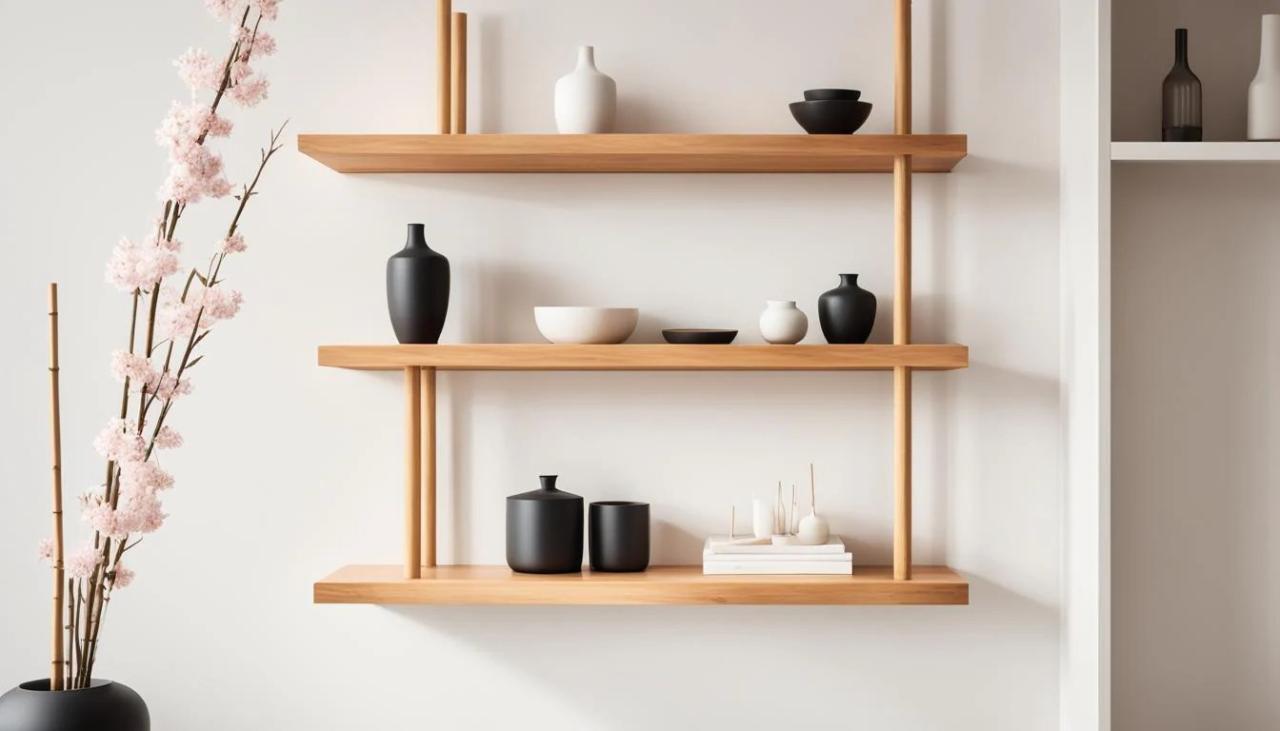
Japanese shelf decor, with its emphasis on minimalism and aesthetic harmony, benefits greatly from thoughtful arrangement. Proper display elevates the items beyond mere ornaments, transforming them into captivating narratives that resonate with the spirit of Japanese artistry. A well-curated display can showcase the intricate details and craftsmanship, creating a serene and inviting atmosphere in any space.Effective displays of Japanese shelf decor prioritize visual balance and harmony, drawing inspiration from traditional Japanese aesthetics like wabi-sabi and the principles of Zen.
The goal is to present items in a way that highlights their beauty, fosters a sense of calm, and complements the surrounding environment. This approach necessitates careful consideration of space, lighting, and the overall narrative you wish to convey.
Arranging Items for Visual Appeal and Balance
The arrangement of Japanese shelf decor items should aim for a balanced and visually appealing composition. Consider the principles of negative space, symmetry, and the golden ratio. Grouping items of similar size, shape, or color can create a cohesive look, while contrasting elements can add dynamism and visual interest. For instance, placing a slender, tall vase next to a wider, squat sculpture can achieve a sense of visual harmony.
Avoid overcrowding the shelf; allow for breathing room between objects.
Different Approaches to Displaying Items
Different approaches cater to varying space constraints and aesthetic preferences. A minimalist approach emphasizes showcasing a few carefully selected pieces, allowing their inherent beauty to shine. In contrast, a more curated display might involve arranging items by theme or season, reflecting a deeper connection to Japanese culture. For smaller spaces, consider vertical stacking or grouping items on a single, narrow shelf to maximize visibility without sacrificing elegance.
Space Constraints and Aesthetic
Addressing space constraints requires creative solutions without compromising aesthetic integrity. In rooms with limited shelf space, opt for smaller, carefully chosen items. Group items of similar height and form together to create visual cohesion. A well-chosen collection of small, intricately carved figurines or miniature bonsai trees can effectively fill a small shelf while retaining an air of tranquility.
Lighting and Background Enhancements
Lighting significantly impacts the display of Japanese shelf decor. Soft, diffused light, such as that provided by a floor lamp or strategically placed spotlights, can highlight textures and intricate details. Avoid harsh overhead lighting, as it can wash out the delicate colors and patterns of the items. The background also plays a crucial role. A neutral-colored backdrop, such as a light gray or beige wall, will allow the decor to stand out without distracting from its beauty.
A subtly patterned wallpaper can add a touch of sophistication without overwhelming the display.
Examples of Well-Designed Displays
A well-designed display of Japanese shelf decor could feature a collection of intricately carved wooden boxes arranged in a subtle gradient of color, showcasing the mastery of Japanese woodworking. Another example might be a display highlighting the delicate artistry of Japanese pottery, featuring several different shapes and glazes, arranged on a light-colored shelf with minimal clutter. The addition of a single, carefully selected ikebana arrangement could add a touch of nature to the scene.
Consider showcasing the natural beauty of a small bonsai tree against a backdrop of soft lighting. In each example, the display reflects a deep understanding of visual harmony and balance, creating a space that is both aesthetically pleasing and deeply evocative of Japanese artistry.
Contemporary Interpretations of Japanese Shelf Decor
Traditional Japanese shelf decor, deeply rooted in aesthetic principles like wabi-sabi and minimalism, often features carefully curated objects that evoke a sense of tranquility and connection to nature. Contemporary interpretations, however, are reimagining these principles through innovative design and materials, injecting a fresh perspective while honoring the rich legacy of Japanese aesthetics.Contemporary designers and artists are actively reinterpreting traditional Japanese aesthetics for a modern audience, often drawing inspiration from the interplay of form, function, and symbolism inherent in traditional pieces.
This fusion of tradition and innovation results in shelf decor that is both visually striking and imbued with a unique contemporary sensibility.
Contemporary Materials and Techniques
Contemporary Japanese shelf decor often employs a diverse range of materials and techniques, transcending the traditional focus on natural materials. This evolution reflects a blend of traditional craftsmanship with modern manufacturing processes. For example, artists might incorporate recycled materials, such as reclaimed wood or repurposed metal, into their designs. This approach creates a balance between the inherent beauty of natural materials and the sustainable practices of modern design.
The use of ceramic glazes and metallic finishes can add a modern edge to traditional forms, while innovative resin casting techniques can produce intricate, lightweight sculptures.
Contemporary Design Styles
Contemporary designs often exhibit a departure from the rigid formality of traditional pieces, while still drawing inspiration from their underlying principles. This evolution allows for a more diverse range of styles, from minimalist to maximalist, showcasing a broader spectrum of aesthetic sensibilities. Contemporary artists might incorporate geometric patterns or abstract shapes, contrasting with the more organic forms often found in traditional designs.
These new designs often emphasize the use of light and shadow, creating dynamic visual effects. The incorporation of unconventional elements, like LED lighting or interactive components, can elevate the shelf decor beyond static objects to interactive experiences.
Comparison of Traditional and Contemporary Designs
| Feature | Traditional Design | Contemporary Design |
|---|---|---|
| Materials | Natural materials like wood, bamboo, ceramics, lacquer | Combination of natural and modern materials like reclaimed wood, resin, metal, and recycled components |
| Form | Often organic and flowing, evoking nature | Can be organic, geometric, or abstract, showcasing modern sensibilities |
| Aesthetics | Emphasis on wabi-sabi, minimalism, and tranquility | May incorporate a broader range of aesthetics, from minimalist to maximalist |
| Functionality | Often purely decorative | May incorporate functionality, such as lighting or interactive elements |
Traditional Japanese shelf decor prioritizes the inherent beauty of natural materials and the appreciation of imperfection. Contemporary interpretations, however, often combine traditional elements with innovative materials and techniques to create unique designs that speak to modern sensibilities. These adaptations frequently explore a wider spectrum of aesthetics, from minimalist elegance to maximalist displays, creating a dynamic interplay between the past and present.
Examples of Contemporary Artists and Designers
Contemporary artists and designers are pushing the boundaries of traditional Japanese shelf decor by blending age-old techniques with modern materials and aesthetics. For example, a contemporary artist might craft a sculptural piece from reclaimed wood, incorporating elements of Japanese calligraphy into the design. Another designer might utilize recycled metal and LED lighting to create a modern interpretation of a traditional Japanese lantern, creating a piece that both honors tradition and embodies modern aesthetics.
These examples highlight the evolution of Japanese shelf decor and its adaptability to contemporary tastes.
Matching Japanese Shelf Decor with Room Decor
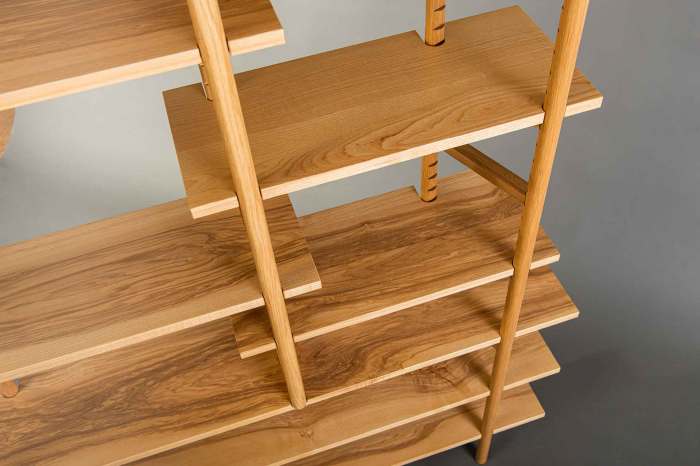
Japanese shelf decor, with its emphasis on minimalism, craftsmanship, and evocative motifs, can elevate any room. However, achieving a harmonious aesthetic requires careful consideration of the existing room decor. Selecting items that complement rather than clash with the existing style is key to creating a space that feels both authentically Japanese and deeply personal.Effective integration of Japanese shelf decor depends on understanding the nuances of the chosen room’s style.
The interplay between the decor’s subtle details and the room’s overall design will dictate the final impact. Whether a Zen-inspired sanctuary or a modern minimalist haven, thoughtful curation is essential to achieving a unified and captivating ambiance.
Color Coordination and Visual Balance
Harmonious color palettes are crucial for a cohesive look. Japanese aesthetics often favor a muted color palette, drawing inspiration from nature’s subtle tones. Integrating items in shades of gray, beige, muted greens, and deep browns creates a calming and visually appealing display. Contrasting pops of color, such as a subtle crimson lacquer box or a vibrant indigo vase, can be strategically introduced to add dynamism without disrupting the overall serenity.
Achieving visual balance involves considering the size and weight of each item. Larger pieces can anchor the display, while smaller items create visual interest. A careful arrangement ensures that no single item dominates the space, preventing an unbalanced or cluttered aesthetic.
Room Styles and Appropriate Decor
Different room styles call for varying approaches to Japanese shelf decor.
- Zen-Inspired Spaces: Zen spaces benefit from serene, minimalist pieces. Items with smooth lines, natural materials like bamboo, and calming color palettes are ideal. A small, meticulously crafted incense burner or a collection of delicate bonsai trees would perfectly complement this tranquil aesthetic. Focus on pieces that evoke a sense of stillness and contemplation.
- Minimalist Interiors: Minimalist spaces demand a clean, uncluttered aesthetic. Select decor that possesses clean lines and unadorned surfaces. A minimalist vase or a simple, geometrically patterned tray would blend seamlessly into this style. Avoid ornate or overly detailed pieces that could disrupt the space’s simplicity.
- Modern Interiors: In modern interiors, the Japanese aesthetic can be introduced through carefully selected pieces that retain their cultural heritage while incorporating contemporary elements. A sleek, contemporary-designed ceramic sculpture or a modern interpretation of a traditional Japanese lantern could provide a unique and engaging aesthetic, adding a touch of Japanese sophistication to the space. The key is to choose pieces that respect the modern aesthetic while maintaining the integrity of Japanese design principles.
Design Elements and Materials
Careful consideration of design elements, including the shape, texture, and materials of the chosen pieces, is crucial for achieving a harmonious aesthetic.
- Natural Materials: Integrating natural materials such as bamboo, wood, and stone is paramount to Japanese aesthetics. These materials create a connection to nature and enhance the space’s serenity.
- Simple Forms: Japanese aesthetics often emphasize simplicity and natural forms. Avoid overly ornate or complex designs, as these can disrupt the room’s overall harmony. A focus on clean lines and smooth surfaces is key to maintaining the space’s visual appeal.
- Negative Space: Strategic use of negative space enhances the visual appeal of the display. Avoid overcrowding the shelves, allowing for breathing room between items to create a balanced and visually appealing composition.
Japanese Shelf Decor for Different Spaces
Japanese shelf decor, with its emphasis on minimalism, tranquility, and cultural heritage, can elevate any space. From serene living rooms to meticulously organized offices, carefully chosen pieces can transform a room into a haven of aesthetic harmony. However, the optimal selection and placement depend heavily on the specific room’s function and overall design.Understanding the nuances of scale, proportion, and the subtle interplay between decor and the surrounding environment is key to achieving a truly impactful and harmonious aesthetic.
This involves not only the choice of items but also their strategic placement within the designated area. By carefully considering the room’s dimensions and the overall ambiance, one can seamlessly integrate Japanese aesthetic principles into any space.
Living Room
The living room, often a hub of social gatherings and relaxation, benefits from Japanese shelf decor that promotes calm and serenity. Items like minimalist vases with dried flowers, delicate tea sets, or intricate wood carvings, arranged in a balanced manner, can create a tranquil atmosphere. Low-profile shelves are best for a seamless integration, ensuring the decor doesn’t overwhelm the space.
The use of natural materials, like bamboo or wood, will reinforce the connection with nature and serenity. Avoid overly ornate pieces, as this can detract from the tranquil ambiance. The scale of the decor should be proportionate to the size of the room, with smaller items placed strategically to create visual interest without being overwhelming.
Bedroom
The bedroom, a sanctuary of personal relaxation, calls for a more intimate and personal expression of Japanese aesthetic principles. Consider incorporating items like serene ink paintings, handcrafted wooden boxes for storing personal items, or a small bonsai tree. These items, imbued with quiet elegance, evoke a sense of peace and tranquility. The use of soft lighting, such as a paper lantern or a subtle ambient light, will further enhance the serene atmosphere.
Emphasis should be on items that evoke a sense of calm and introspection, promoting relaxation and a peaceful sleep. The scale of the decor should be smaller, with items positioned to create a personal and intimate atmosphere without being intrusive.
Office
An office environment often demands a combination of functionality and aesthetic appeal. Japanese shelf decor can subtly enhance productivity and focus. Elegant calligraphy scrolls, handcrafted paperweights, or miniature Zen gardens can subtly convey a sense of calm and order. The decor should be minimalist and functional, enhancing focus and minimizing distractions. Items that promote a sense of calm and mindfulness are key.
The scale of the decor should be carefully considered, with items chosen that will not detract from the workspace’s functionality. The choice of items should be purposeful, enhancing a sense of tranquility without disrupting the focus needed for work.
Table of Suitable Japanese Shelf Decor Items
| Room Type | Suitable Items | Placement Considerations |
|---|---|---|
| Living Room | Minimalist vases, tea sets, wood carvings, dried flowers | Low-profile shelves, balanced arrangement, natural materials |
| Bedroom | Ink paintings, handcrafted boxes, small bonsai, incense holders | Soft lighting, intimate placement, items promoting tranquility |
| Office | Calligraphy scrolls, paperweights, miniature Zen gardens, handcrafted tools | Functional yet aesthetically pleasing, promoting focus and calm |
Sourcing and Purchasing Japanese Shelf Decor Items
Navigating the world of Japanese shelf decor requires a keen eye for authenticity and quality. Beyond aesthetics, the craftsmanship and cultural significance of these items often underpin their value. This process demands careful consideration, from identifying reputable sources to understanding the nuances of authentic design.The market for Japanese shelf decor is vibrant, encompassing a wide spectrum of styles, materials, and price points.
Choosing the right items requires understanding the sources available and the factors influencing their quality. This section details essential considerations for discerning collectors and enthusiasts alike.
Reliable Sources for Purchasing
A variety of channels provide access to Japanese shelf decor. Direct engagement with artisans and small businesses often yields unique pieces with a strong connection to traditional techniques. Craft fairs offer a chance to interact with creators and appreciate the handmade element. Furthermore, local shops specializing in Japanese goods can provide insights into the regional variations and styles.
- Online retailers specializing in Japanese goods are another significant avenue. Their extensive catalogs often showcase a wide array of items, allowing for broader exploration and comparisons.
- Major online marketplaces also house numerous sellers of Japanese decorative items. However, verifying authenticity and quality requires diligence and a discerning eye.
- Direct contact with Japanese artisans through their websites or social media platforms can lead to personalized orders and a deeper understanding of the creative process.
Authenticity and Quality
The authenticity of a Japanese shelf decor item hinges on its adherence to traditional techniques and materials. Reproductions, while aesthetically pleasing, may lack the cultural depth and historical significance of genuine pieces. Examining details like the type of wood, the craftsmanship of the design, and the overall aesthetic can help discern authenticity. A well-crafted piece typically exhibits meticulous attention to detail, reflecting the skill and dedication of the artisan.
Choosing an Online Retailer
Selecting a reliable online retailer for Japanese shelf decor necessitates thorough research. Reviews from other customers provide valuable insights into the quality of the items and the seller’s service. The retailer’s website should clearly articulate their sourcing methods and the authenticity of their products. Look for transparency in their descriptions and clear policies regarding returns and exchanges.
Furthermore, secure payment gateways and detailed shipping information are vital indicators of a trustworthy online vendor.
Reputable Online Retailers
Several reputable online retailers specialize in Japanese goods, offering a wide range of shelf decor items. These include, but are not limited to:
| Retailer | Specialization | Reputation |
|---|---|---|
| Etsy | Handmade and vintage goods | Extensive selection, mixed reviews |
| Japanese Art & Craft Stores | Specialized in Japanese decor | High likelihood of authenticity |
| Specialty Japanese Import Sites | Curated Japanese items | Often carry unique, hard-to-find pieces |
Note that the reputation and quality of retailers can vary. Thorough research is crucial for ensuring a positive buying experience.
Last Word
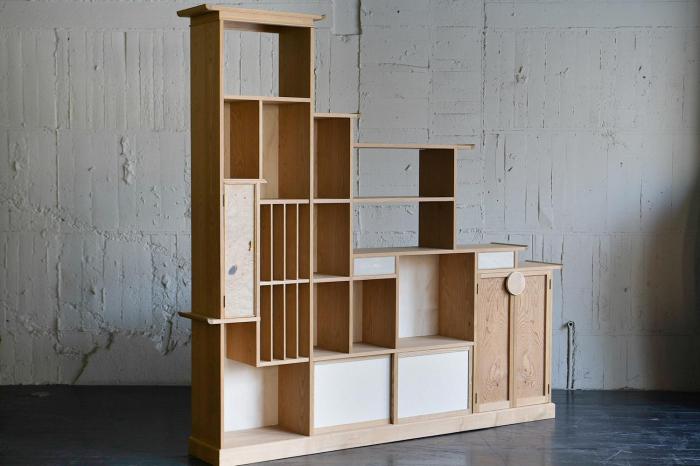
Japanese shelf decor items offer a captivating blend of tradition and contemporary interpretation. This exploration has highlighted the multifaceted nature of these objects, demonstrating how they reflect Japanese aesthetics and culture. Whether for the living room, bedroom, or office, understanding the styles, materials, and display methods allows for the thoughtful selection of items that enhance a space while respecting its unique character.