
Webcam security is no longer a niche concern; it’s a critical component of personal and corporate digital safety. The proliferation of video conferencing, remote work, and online interactions has dramatically increased the potential for webcam breaches, from simple privacy violations to sophisticated cyberattacks. Understanding the multifaceted risks and implementing robust security measures are paramount for safeguarding sensitive data and maintaining digital trust.
This comprehensive guide explores the full spectrum of webcam security, from fundamental hardware and software protections to advanced privacy settings and monitoring techniques. It delves into specific scenarios, offering practical advice for both individuals and businesses to effectively mitigate risks and protect their valuable digital assets.
Introduction to Webcam Security
Unsecured webcams represent a significant vulnerability in today’s digital landscape. The ease of access and pervasive use of these devices, coupled with often-overlooked security protocols, exposes users to a range of potential risks. From simple privacy breaches to more sophisticated cyberattacks, the potential consequences of neglecting webcam security can be substantial.The risks associated with unsecured webcams extend beyond mere inconvenience.
Compromised systems can be exploited for malicious activities, including data theft, identity fraud, and even remote control of devices. This vulnerability can affect individuals, businesses, and critical infrastructure alike. The potential for harm necessitates a proactive approach to webcam security, emphasizing both technical measures and user awareness.
Potential Risks of Unsecured Webcams
Unsecured webcams present a multitude of risks, ranging from simple privacy violations to serious security breaches. Unauthorized access to a webcam allows perpetrators to capture images and videos without consent, potentially leading to embarrassment, harassment, or even identity theft. Furthermore, these vulnerabilities can be exploited for more malicious purposes, including espionage, surveillance, and the propagation of malware.
Scenarios of Webcam Security Breaches
Webcam security breaches can occur in various scenarios, often exploiting unsuspecting users. A common scenario involves social engineering tactics, where attackers trick individuals into providing access to their webcams. This can happen through seemingly legitimate requests or by exploiting vulnerabilities in web conferencing software or social media platforms. Further, insecure networks, particularly those with weak passwords or inadequate firewalls, provide entry points for malicious actors.
Examples of Webcam Vulnerabilities Exploited
Instances of webcam vulnerabilities being exploited are increasingly documented. One example involves the use of malicious software (malware) that automatically activates webcams, capturing images and videos without the user’s knowledge. Another prevalent scenario involves the compromise of web conferencing platforms, enabling unauthorized access to participants’ webcams. These examples underscore the critical need for robust security measures to mitigate the risk of webcam exploitation.
Types of Webcam Security Threats
| Threat Type | Description | Impact |
|---|---|---|
| Malware | Malicious software designed to gain unauthorized access to a webcam or capture sensitive data. | Unauthorized access, data theft, remote control of the device. |
| Hacking | Unauthorized access to a webcam through vulnerabilities in the device or network. | Unauthorized access, data theft, potential for malicious activity. |
| Phishing | Deceptive tactics to trick users into providing login credentials or granting access to their webcam. | Unauthorized access, data theft, compromise of personal accounts. |
| Social Engineering | Manipulation of users into revealing sensitive information, such as webcam access codes. | Unauthorized access, data theft, compromise of personal accounts. |
Types of Webcam Security Solutions
Protecting webcams from malicious actors is crucial in today’s interconnected world. Cybersecurity threats are constantly evolving, and webcams are increasingly vulnerable targets. This necessitates a multi-layered approach to security, combining hardware and software solutions. Effective strategies must consider both physical and digital safeguards.The rising reliance on webcams for everything from video conferencing to surveillance necessitates robust security measures.
Protecting these devices is no longer optional; it’s a critical component of a comprehensive security strategy. A combination of physical barriers, robust software, and regular updates can significantly mitigate the risk of webcam compromise.
Hardware-Based Security Measures
Physical security measures for webcams are important first lines of defense. These solutions limit potential access and manipulation. Camouflage and physical shielding are effective deterrent strategies. Physical barriers prevent unauthorized access, reducing the risk of tampering.
- Physical Shielding: Specialized covers and enclosures physically block the webcam lens, preventing unauthorized access and hindering potential physical manipulation. This method is particularly effective in environments where physical security is a primary concern, such as corporate offices or homes where children or other individuals may inadvertently or intentionally tamper with the device.
- Camouflage: Disguising or concealing the webcam from view can prevent it from being targeted. This is particularly relevant in environments where malicious actors may try to exploit the device’s visibility.
- Dedicated Security Cameras: Integrating security cameras can monitor the webcam’s immediate surroundings, providing real-time alerts if unauthorized individuals attempt to gain access to or tamper with the device. This method adds another layer of protection by creating a broader surveillance network.
Software-Based Webcam Protection
Software-based security measures are crucial for protecting the digital data associated with webcams. These methods enhance privacy and security in the digital realm.
- Built-in Operating System Security Features: Many operating systems now incorporate webcam access controls. These features restrict access to the webcam, requiring a user’s explicit permission before activating the device. This approach is particularly effective when combined with strong passwords and multi-factor authentication. For example, Windows 10 and later versions provide default webcam access restrictions.
- Third-Party Webcam Security Software: Specialized software applications can offer additional security features, including webcam access control, data encryption, and intrusion detection. These programs often provide more granular control over webcam access compared to built-in operating system features.
Comparative Analysis of Security Solutions
Evaluating the effectiveness of various security solutions requires a multifaceted approach. A comprehensive comparison considers the relative strengths and weaknesses of different methods.
| Security Solution | Effectiveness | Cost | Ease of Implementation |
|---|---|---|---|
| Physical Shielding | High (if properly implemented) | Moderate | Moderate |
| Camouflage | Moderate | Low | Low |
| Dedicated Security Cameras | High (if combined with other solutions) | High | High |
| Built-in OS Security | Moderate | Low | Low |
| Third-Party Software | High (depending on the software) | Moderate to High | Moderate |
Importance of Regular Software Updates
Software updates are essential for maintaining webcam security. These updates frequently include critical patches that address vulnerabilities.Regular software updates are critical to maintaining webcam security. They often include critical patches that address vulnerabilities, preventing exploitation by malicious actors. For instance, security updates for webcam software often contain patches that resolve newly discovered vulnerabilities, ensuring ongoing protection against evolving threats.
Protecting Your Webcam
Securing your webcam is crucial in today’s interconnected world, where online vulnerability is a constant concern. Protecting your webcam goes beyond simply disabling it; it encompasses a layered approach to physical and software safeguards. Neglecting these precautions can lead to unauthorized access and potential data breaches.Effective webcam protection involves a proactive strategy that combines hardware controls, software management, and regular security checks.
Implementing these measures ensures your privacy and data integrity in the digital realm.
Physical Security Measures
Physical security plays a vital role in webcam protection. Taking steps to safeguard your webcam hardware from unauthorized access and tampering is essential.
- Covering the Lens: A simple yet effective method to prevent unauthorized access is covering the webcam lens when not in use. This physical barrier significantly reduces the risk of unwanted surveillance.
- Secure Placement: Position your webcam in a location where it’s not easily accessible to strangers or potential intruders. Avoid placing it in areas where it could be tampered with or removed without notice.
- Enclosure Protection: If your webcam is integrated into a device like a laptop or desktop, consider using a protective enclosure or case to further safeguard it from physical tampering.
Disabling Your Webcam
Disabling your webcam when not in use is a fundamental security practice. This proactive measure prevents unauthorized access and data breaches.
- Hardware Controls: Many devices offer physical controls to disable the webcam. Consult your device’s manual for specific instructions. This method ensures the webcam cannot be activated unintentionally.
- Software Controls: Modern operating systems and applications often provide software controls to disable the webcam. Utilizing these controls allows for convenient on-demand activation and deactivation of the webcam.
Software-Based Webcam Control
Software controls provide an efficient method to manage webcam access. These tools facilitate enabling and disabling the webcam as needed.
- Operating System Settings: Most operating systems, like Windows and macOS, offer built-in controls to disable or enable webcam access. These settings can be accessed through device management tools.
- Third-Party Applications: Various third-party applications offer advanced webcam controls, providing additional layers of security and privacy. These applications often provide features like remote webcam management.
Regular Security Updates
Regularly checking for and applying security updates for your webcam is critical. This proactive measure ensures the webcam remains protected against emerging vulnerabilities.
- Firmware Updates: Manufacturers regularly release firmware updates for webcams to address security vulnerabilities. Staying updated with these releases is crucial for maintaining the device’s security.
- Automated Updates: Many operating systems and devices offer automated update features to ensure that security patches are applied promptly. Enable these features for seamless security maintenance.
Strong Passwords
Strong passwords are essential for webcam-related accounts and software applications. Robust passwords are the first line of defense against unauthorized access.
- Complex Passwords: Create strong passwords that are difficult to guess. Combine uppercase and lowercase letters, numbers, and symbols. Avoid using easily guessable information like birthdays or names.
- Unique Passwords: Use unique passwords for different accounts and applications to mitigate the risk of compromise. If one account is breached, the others remain secure.
Privacy Settings and Configurations
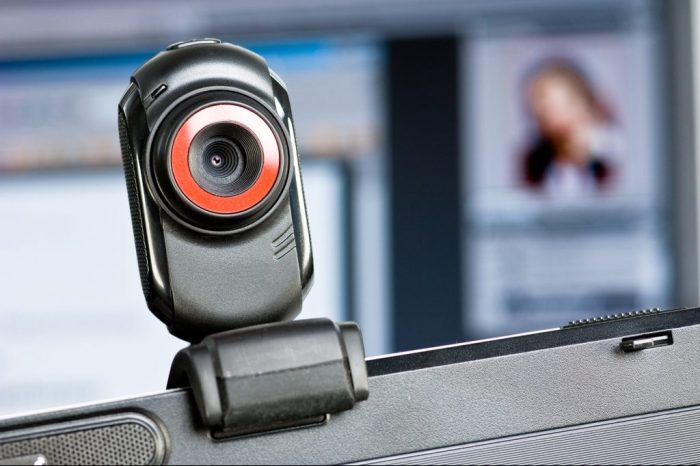
Protecting your webcam from unauthorized access hinges significantly on adjusting privacy settings across various platforms. Failing to properly configure these settings can expose your personal space to potential surveillance or unwanted intrusions. Understanding and implementing these configurations is crucial for maintaining digital security and privacy.
Operating System Privacy Settings
Operating systems provide built-in controls for webcam access. These settings dictate which applications can access the webcam and under what conditions. Properly managing these controls significantly reduces the risk of unwanted access.
- Windows: The Windows operating system allows users to manage webcam access via the privacy settings within the Windows Settings app. This section enables users to select which apps can access the webcam. This granular control is essential for limiting the potential for malicious software to exploit the webcam without user permission.
- macOS: macOS offers similar control through System Preferences. Users can manage webcam access for individual applications, ensuring that only trusted software can utilize the device. This comprehensive control extends to applications from unknown sources.
- Chrome OS: Chrome OS, designed for streamlined operation, offers webcam controls within its settings. These controls are designed for ease of use, allowing users to rapidly manage webcam access for different applications. The simplicity of the controls reflects the system’s overall design philosophy.
Application-Specific Webcam Settings
Different applications have their own settings for webcam usage. This allows for precise control over when and how an application can access the camera. This granular control is critical to maintaining privacy and security.
- Video Conferencing Software: Applications like Zoom, Skype, and Google Meet often have their own privacy settings for webcam access. These settings might include enabling or disabling the webcam during specific calls, enabling automatic webcam activation, and even restricting access to specific individuals or groups. This fine-tuned control over webcam access during video calls is essential for preventing accidental or malicious exposure.
- Gaming Applications: Some gaming applications might use the webcam for in-game features. These applications might offer settings to disable webcam access if not needed, providing the user with the ability to tailor their webcam usage for their gaming experience.
Browser Extensions for Webcam Security
Browser extensions can enhance webcam security by providing an extra layer of protection. They offer granular control over webcam access, acting as an additional barrier against potential vulnerabilities.
- Webcam Access Control Extensions: These extensions monitor and control webcam access for websites, preventing unauthorized use. They allow users to block specific websites from accessing the webcam, adding a layer of security not typically available in standard browser settings.
Video Call Privacy Settings
Configuring privacy settings for video calls is essential for preventing unauthorized access during virtual interactions. This often involves configuring specific permissions for each participant and the video call platform.
- Participant Permissions: During video calls, users can often grant or revoke permission for specific participants to access the webcam. This granular control enables users to selectively allow or disallow webcam access during a call, enhancing security and preventing unwanted exposure.
- Automatic Webcam Activation: Some video conferencing platforms allow for automatic webcam activation. Carefully configure these settings to avoid unintended webcam activation during calls or meetings.
Step-by-Step Webcam Privacy Settings
The following table Artikels the procedures for securing your webcam privacy settings.
| Platform | Step | Action |
|---|---|---|
| Windows | 1 | Open Settings > Privacy > Camera |
| Windows | 2 | Adjust permissions for applications. |
| macOS | 1 | Open System Preferences > Security & Privacy > Privacy > Camera |
| macOS | 2 | Adjust permissions for applications. |
| Chrome OS | 1 | Open Settings > Privacy > Camera |
| Chrome OS | 2 | Adjust permissions for applications. |
Monitoring Webcam Activity
Proactive monitoring of webcam activity is crucial for maintaining security. Failure to monitor can expose vulnerabilities to malicious actors, leading to potential data breaches and privacy violations. Regular checks and automated alerts can significantly reduce the window of opportunity for unauthorized access.Understanding how to detect unauthorized attempts and establish robust logging procedures is paramount. Implementing these measures creates a layered defense against cyber threats targeting webcams.
This allows for swift identification and response to any suspicious activity, minimizing potential damage.
Importance of Monitoring Webcam Activity
Regular monitoring of webcam activity is essential to detect and respond promptly to potential security breaches. It acts as a proactive measure to safeguard against unauthorized access attempts. This proactive approach allows for swift identification and response, minimizing potential damage and maintaining the integrity of the system.
Methods to Detect Unauthorized Access Attempts
Several methods can help detect unauthorized access attempts. Utilizing software-based intrusion detection systems (IDS) is crucial, which can flag unusual activity patterns or sudden changes in access behaviors. Monitoring for unusual IP addresses or user agents connected to the webcam is also essential. Employing real-time alerts and notifications can provide immediate warnings of potential intrusions.
Procedure for Logging Webcam Activity
A standardized procedure for logging webcam activity is vital for forensic analysis. Detailed logs should include timestamps, IP addresses, user agents, and actions performed. This comprehensive logging allows for tracing the origin and duration of any suspicious activity. Implementing a robust log management system is crucial to ensure data integrity and efficient retrieval.
Examples of Logs for Potential Security Breaches
Logs reflecting potential security breaches should clearly detail the events that occurred. For instance, a log entry showing an unusual number of failed login attempts from a specific IP address within a short period could indicate a brute-force attack. Another example might involve a log entry showing an IP address connecting to the webcam from a geographically distant location that is not typically used.
These examples highlight the importance of regularly reviewing and analyzing webcam activity logs.
Table of Software Tools for Monitoring Webcam Activity
| Software Tool | Description | Key Features | Pros | Cons |
|---|---|---|---|---|
| Webcam Monitor Pro | A dedicated software solution for monitoring webcam activity. | Real-time monitoring, detailed logs, customizable alerts, and user-friendly interface. | User-friendly, robust logging, and flexible alerting. | Potentially high cost compared to free alternatives. |
| Wireshark | A network protocol analyzer. | Deep packet inspection, network traffic analysis, and identification of suspicious activity. | Comprehensive network analysis, very versatile, and open-source. | Steep learning curve for beginners, requires technical expertise to interpret logs. |
| Security Information and Event Management (SIEM) Systems | A centralized platform for collecting and analyzing security logs from various sources. | Correlation of events, threat detection, and automated response mechanisms. | Comprehensive security monitoring, advanced analytics, and correlation capabilities. | High initial investment and complex setup. |
This table provides a glimpse into various software tools for webcam activity monitoring, highlighting their characteristics and potential use cases.
Physical Security Measures
Protecting a webcam extends beyond software and settings. Physical security is crucial in preventing unauthorized access and tampering. Failing to secure a webcam physically can lead to serious privacy violations and potential security breaches. This section explores practical steps for safeguarding webcams from physical threats.Physical security measures are vital to complement digital protections. A well-designed physical security strategy, combined with robust software measures, creates a layered defense against potential threats.
This approach significantly strengthens overall security posture.
Physical Security Precautions
Physical precautions are essential for preventing unauthorized access and tampering. These include strategic placement, enclosure, and robust mounting mechanisms. Proper installation is key to preventing easy removal or manipulation.
- Strategic Placement: Positioning webcams in inconspicuous locations, away from easily accessible areas, is a fundamental step. Avoid placing them in areas where they are vulnerable to direct manipulation, such as desks facing open areas or windows.
- Enclosure and Mounting: Enclosing webcams within secure housings or mounting them in ways that make them difficult to remove or tamper with can significantly enhance security. Strong, tamper-resistant mounting hardware is recommended.
- Tamper-Resistant Hardware: Utilizing specialized tamper-resistant hardware for mounting is an effective deterrent. These devices can be designed to trigger alarms or make tampering readily apparent.
Securing Webcams from Tampering
Preventing unauthorized access requires careful planning and implementation. Implementing these measures creates a significant barrier to physical tampering.
- Cable Management: Securely managing cables connecting the webcam to the network or power source can deter unauthorized access attempts. Ensuring that the cables are well-concealed and not easily accessible is crucial.
- Physical Barriers: Installing physical barriers, such as specialized enclosures or protective cases, around the webcam can prevent unauthorized access. These barriers act as a physical deterrent against tampering.
- Surveillance Systems: Incorporating security cameras or motion sensors in the area where the webcam is placed can provide an additional layer of security. This allows for real-time monitoring and potential detection of tampering attempts.
Summary of Physical Security Solutions
This table Artikels various physical security solutions for webcam protection, highlighting their effectiveness and practicality.
| Security Solution | Description | Effectiveness |
|---|---|---|
| Strategic Placement | Positioning the webcam in a hidden, less accessible location. | Moderate to High |
| Enclosure/Mounting | Enclosing the webcam in a secure housing or using robust mounting hardware. | High |
| Tamper-Resistant Hardware | Using specialized hardware to deter tampering. | High |
| Cable Management | Securing cables to prevent access to the webcam. | Moderate |
| Physical Barriers | Implementing physical barriers around the webcam. | High |
| Surveillance Systems | Using security cameras or motion sensors for monitoring. | High |
Importance of Secure Locations
Storing webcams in secure locations is paramount. The vulnerability of a webcam is directly tied to its accessibility. Selecting locations with limited access significantly reduces the risk of tampering.
- Minimizing Accessibility: Webcams should be stored in areas with limited access, minimizing the potential for unauthorized personnel to gain access.
- Secure Cabinets/Shelves: Utilizing secure cabinets or shelves to store webcams, especially in sensitive environments, can deter theft or tampering attempts.
Examples of Physical Security Breaches and Prevention
Understanding past breaches can help prevent similar issues. Awareness of vulnerabilities is key to effective protection.
- Theft of Devices: A common breach is the theft of the entire device, often from unattended or poorly secured locations. This can be prevented by ensuring that webcams are kept in locked cabinets or areas with security monitoring.
- Tampering with Cables: Tampering with cables can disrupt the webcam’s function or even gain unauthorized access to the network. This can be prevented by using tamper-resistant cable management and secure connections.
Security Protocols for Video Conferencing
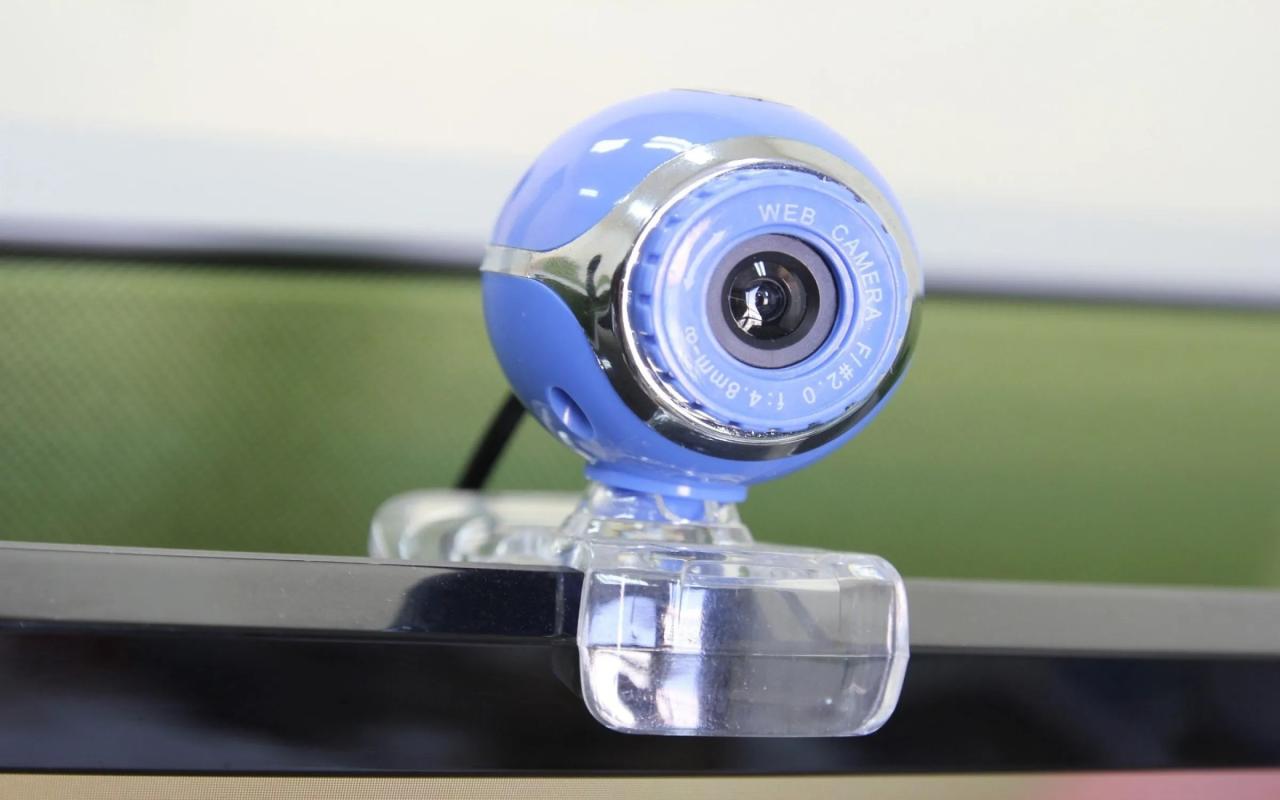
Video conferencing has become ubiquitous, facilitating communication and collaboration across geographical boundaries. However, this reliance on virtual platforms necessitates robust security protocols to safeguard sensitive information and maintain user privacy. The increasing sophistication of cyberattacks underscores the critical need for proactive measures to protect data transmitted during video calls.
Overview of Security Protocols
Video conferencing security protocols are a multifaceted approach encompassing encryption, authentication, and access controls. These measures are designed to mitigate risks associated with eavesdropping, data breaches, and unauthorized access. Effective protocols are crucial for maintaining the integrity and confidentiality of communications.
Securing Video Conferencing Applications
Ensuring the security of video conferencing applications involves multiple layers of protection. Choosing reputable platforms with robust security features is paramount. These platforms should employ industry-standard encryption protocols, including Transport Layer Security (TLS) or Secure Sockets Layer (SSL), to encrypt data transmitted between participants and the server. Regular updates and patches for vulnerabilities are also vital to maintaining the application’s security posture.
Best Practices for Securing Video Calls
Implementing best practices is essential for securing video calls. Participants should use strong, unique passwords and enable two-factor authentication wherever possible. Avoid using public Wi-Fi networks for sensitive video calls, opting instead for secure connections like VPNs. Furthermore, it’s crucial to be mindful of the environment during video calls, ensuring that no unauthorized individuals can view the screen or listen to the conversation.
Security Measures for Data Protection
Protecting data during video calls requires a multi-layered approach. Employing end-to-end encryption is a fundamental step in safeguarding communications. This ensures that only the intended recipients can access the content. Additionally, limiting access to video conferencing platforms through user authentication and access controls is crucial. Implementing strict access controls and regularly reviewing logs to detect any unusual activity are essential security measures.
Comparison of Video Conferencing Security Protocols
Different video conferencing platforms often employ varying security protocols. Some platforms may prioritize end-to-end encryption, offering greater data protection, while others may focus on network-level security measures. It is important to understand the specific security protocols employed by a particular platform before using it for sensitive communications. A thorough review of the platform’s security policies and procedures is necessary to ensure compatibility with business security standards.
For example, Zoom’s security protocols have been subject to scrutiny, while platforms like Google Meet have implemented more robust encryption protocols. Understanding the differences between these platforms can guide users in selecting the most appropriate tool for their specific needs.
Webcam Security for Businesses

Protecting sensitive business data and maintaining operational integrity requires robust webcam security protocols. Businesses increasingly rely on video conferencing and remote collaboration tools, making webcams crucial but also vulnerable to cyber threats. A comprehensive approach to webcam security is essential to mitigate risks and safeguard confidential information.Businesses must understand that webcams, while seemingly innocuous, can be exploited. Compromised webcams can lead to data breaches, intellectual property theft, and reputational damage.
Effective security measures, combined with employee training, are vital to prevent these risks.
Security Recommendations for Business-Use Webcams
Implementing strong security measures for business webcams is crucial to protect sensitive information and maintain operational integrity. These measures should extend beyond simply turning off the webcam when not in use. Physical security and software-based solutions are equally important.
- Physical Security Measures: Restrict physical access to webcams. For example, use secure mounting or cover them when not in use, especially in shared spaces. This minimizes the risk of tampering or unauthorized access. Consider using tamper-proof covers or secure mounting solutions, particularly in open office environments or shared workspaces. Employee training on proper use and security procedures should be a cornerstone of this process.
This extends beyond just turning off the webcam, but includes ensuring the physical security of the webcam itself.
- Software-Based Security: Employ strong passwords and multi-factor authentication (MFA) for video conferencing platforms. Regularly update webcam drivers and operating systems. Software-based solutions include using encryption for video conferencing sessions. Employing a virtual private network (VPN) to secure remote access can be another crucial component. Businesses must regularly update the software and operating systems on their devices to patch known vulnerabilities.
A robust security posture is critical to deterring malicious actors.
- Privacy Settings and Configurations: Carefully review and adjust privacy settings on all video conferencing applications and webcams. Limit access to specific individuals or groups within the company. Adjusting webcam permissions to restrict access is essential. This includes ensuring the webcam is only accessible to authorized users and only within designated environments.
Security Measures Specific to Business Environments
A table outlining security measures specific to business use cases highlights the layered approach needed.
| Security Measure | Description | Importance |
|---|---|---|
| Regular Security Audits | Periodic reviews of webcam security protocols and configurations. | Ensures the effectiveness of existing measures and identifies vulnerabilities. |
| Employee Training | Comprehensive training on webcam security best practices. | Empowers employees to proactively protect company data and systems. |
| Data Encryption | Encrypting video conferencing data. | Protects sensitive information during transmission and storage. |
| Incident Response Plan | A documented plan for handling webcam security breaches. | Minimizes the impact of a breach and facilitates a swift recovery. |
Importance of Employee Training on Webcam Security
Employee training is a critical component of a robust webcam security strategy. Comprehensive training programs should cover various aspects of webcam security, from physical security to software configuration.
“Empowered employees are the first line of defense against security threats.”
Training programs should educate employees about the potential risks of inadequate webcam security and the importance of adhering to security protocols. This involves teaching employees about recognizing suspicious activities and reporting them promptly.
Potential Consequences of Inadequate Webcam Security for Businesses
Inadequate webcam security can have serious repercussions for businesses. Data breaches, reputational damage, and financial losses are all potential outcomes. For instance, a compromised webcam could expose sensitive financial information during a video conference.
- Data Breaches: Unauthorized access to sensitive data can lead to significant financial and reputational damage.
- Reputational Damage: Exposure of confidential information can erode customer trust and brand reputation.
- Financial Losses: Breaches can result in direct financial losses due to data recovery, legal fees, and lost business opportunities.
Future Trends in Webcam Security
The digital landscape is constantly evolving, and with it, the threats facing webcam security. As reliance on video conferencing and remote work continues to grow, so too does the need for robust and adaptive security measures. Emerging technologies and evolving hacking tactics demand proactive strategies to protect user privacy and data integrity.
Emerging Threats and Vulnerabilities
Sophisticated malware designed to exploit webcam vulnerabilities is on the rise. This includes the development of “webcam hijacking” software that can capture and transmit video feeds without the user’s knowledge. Further, vulnerabilities in existing webcam drivers and firmware can be exploited for malicious purposes. The rise of the Internet of Things (IoT) expands the attack surface, as more devices are connected to networks and potentially vulnerable to compromise, including smart home devices that incorporate webcams.
Cybercriminals are also exploring new ways to use AI and machine learning to bypass existing security protocols and identify patterns for unauthorized access.
New Security Technologies
The development of advanced encryption protocols, such as end-to-end encryption for video conferencing applications, is gaining traction. Hardware-based security solutions, including physical encryption mechanisms and tamper-proof camera housings, are also emerging as a promising avenue. AI-powered detection systems capable of identifying suspicious activity and potentially malicious actors in real-time are under development. Additionally, research into advanced authentication methods, such as biometric recognition, is progressing, offering a stronger layer of protection.
Future Directions for Webcam Security
Security measures must adapt to the ever-changing threat landscape. This includes integrating advanced threat detection systems that can identify anomalies and suspicious behavior in real-time. A focus on proactive security measures, such as automated patching and vulnerability assessments for webcam software, will become critical. Furthermore, greater emphasis on user education and awareness of webcam security risks is essential to minimize human error as a vector of attack.
Methods to Stay Informed
Keeping abreast of emerging threats and vulnerabilities requires continuous monitoring of industry publications and security advisories. Following cybersecurity experts and researchers on social media and attending relevant webinars or conferences can provide valuable insights into the latest developments. Subscribing to security newsletters and threat intelligence feeds can also keep individuals and organizations informed of evolving trends and potential risks.
Participating in online security communities and forums allows for real-time discussion and knowledge sharing among experts and practitioners.
Potential Future Webcam Security Solutions
Examples of potential future solutions include:
- Automated vulnerability scanning and patching: Software capable of continuously scanning webcam drivers and firmware for known vulnerabilities and applying updates automatically, reducing the time for exploiting vulnerabilities.
- AI-powered threat detection: Systems capable of analyzing video feeds in real-time to identify suspicious activity, such as unauthorized access attempts or malicious actors, and immediately alert users.
- Hardware-based encryption and tamper-proofing: Physical security mechanisms built into webcam hardware to prevent unauthorized access and tampering. This would limit the potential for malicious actors to physically gain access to the camera or its internal components.
Final Conclusion
In conclusion, safeguarding webcams requires a multi-pronged approach encompassing hardware, software, and user awareness. From simple steps like disabling your webcam when not in use to employing sophisticated security protocols for video conferencing, proactive measures are crucial. By understanding the various threats and implementing the practical strategies Artikeld in this guide, individuals and businesses can significantly reduce their vulnerability to webcam-related security breaches, ultimately enhancing their online safety and privacy.
